Before visiting, verify operations and admission conditions through authorised sources.
Information is awaiting verification. Ask our concierge for help with travel planning.
Before visiting, verify operations and admission conditions through authorised sources. Prepare documents only according to confirmed operator requirements. Ask about assistance, rest areas and house rules on arrival. You may simply observe or choose dining; participation is not required.
Responsible information · Request for assistance, not a confirmed booking
Baccarat
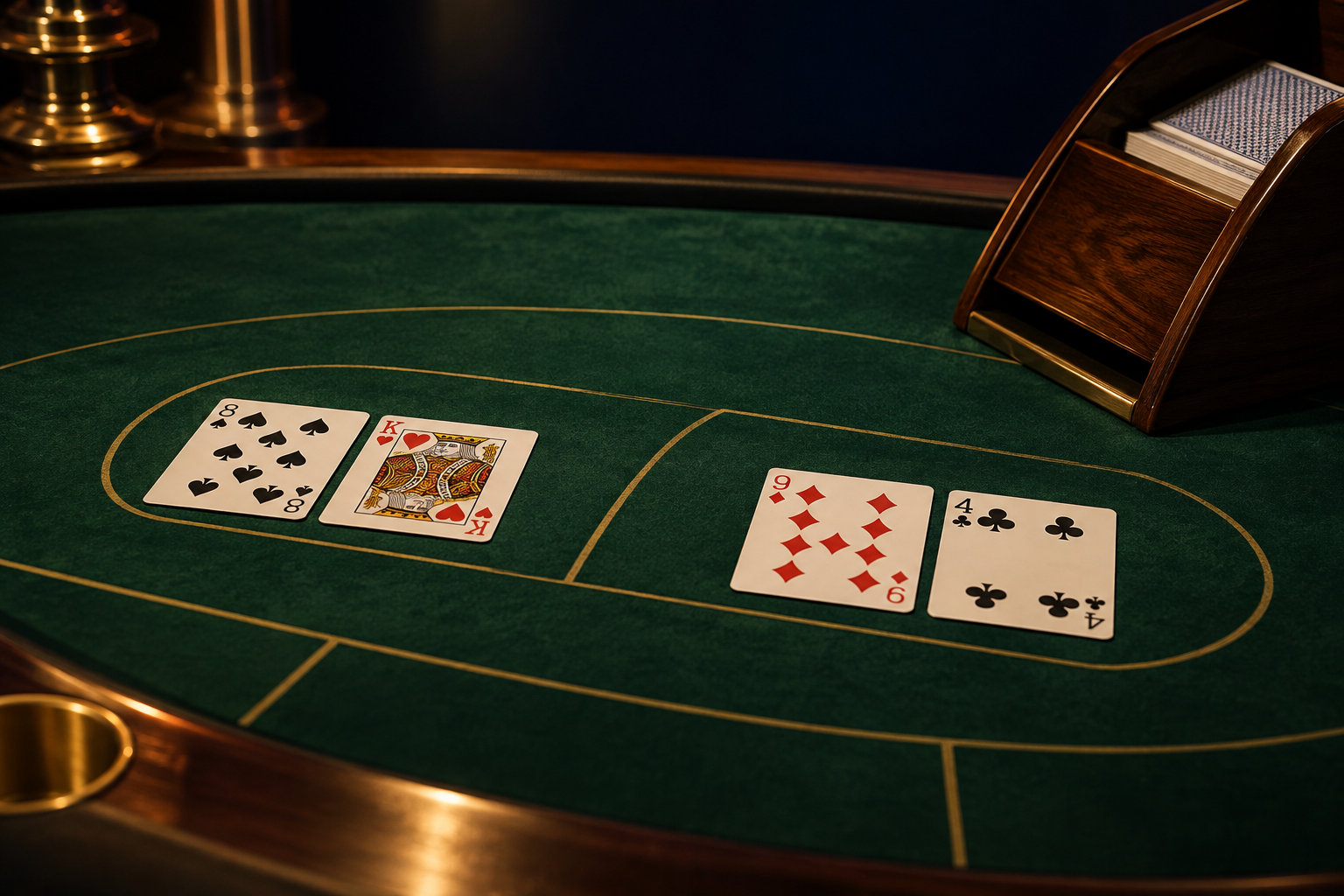
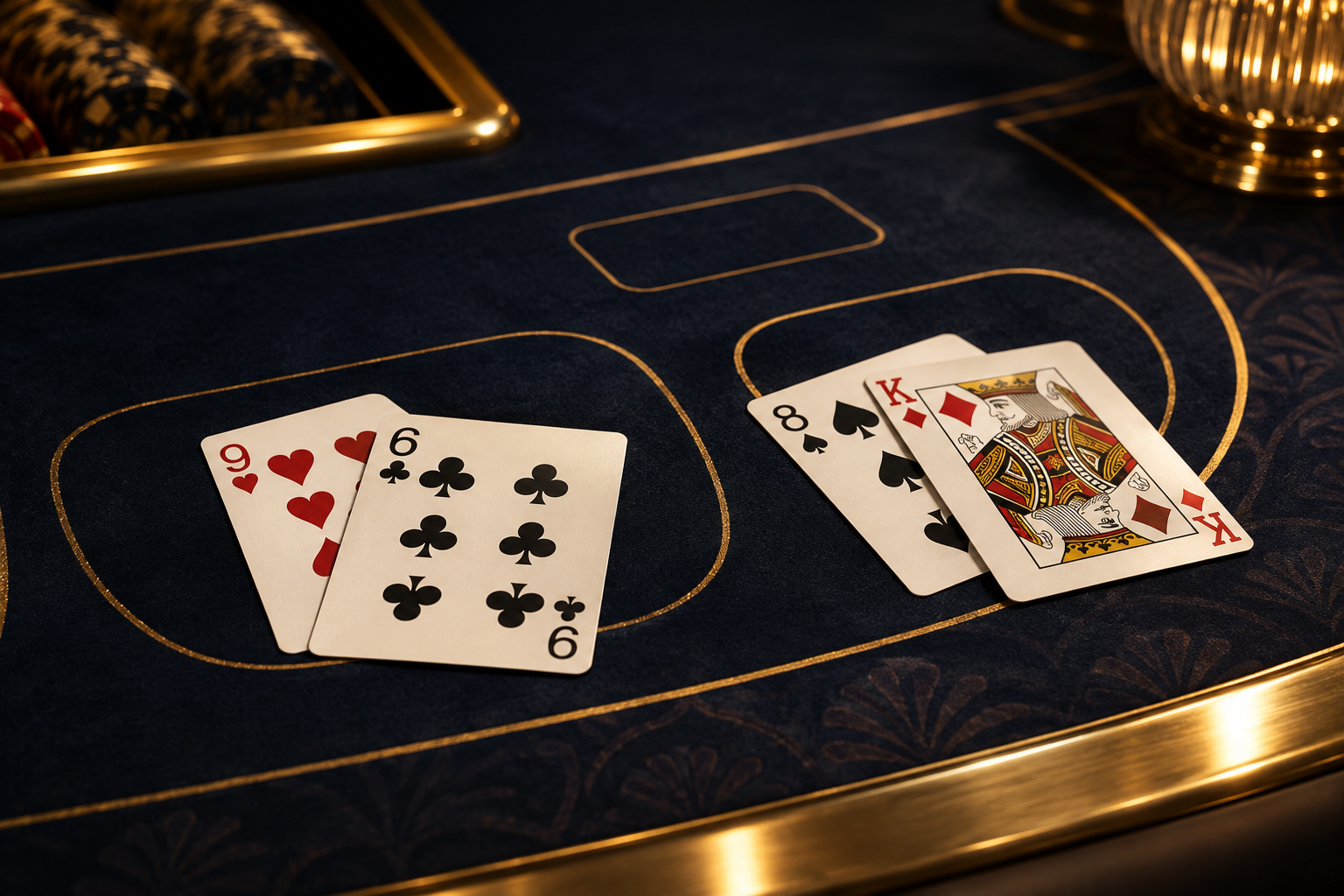
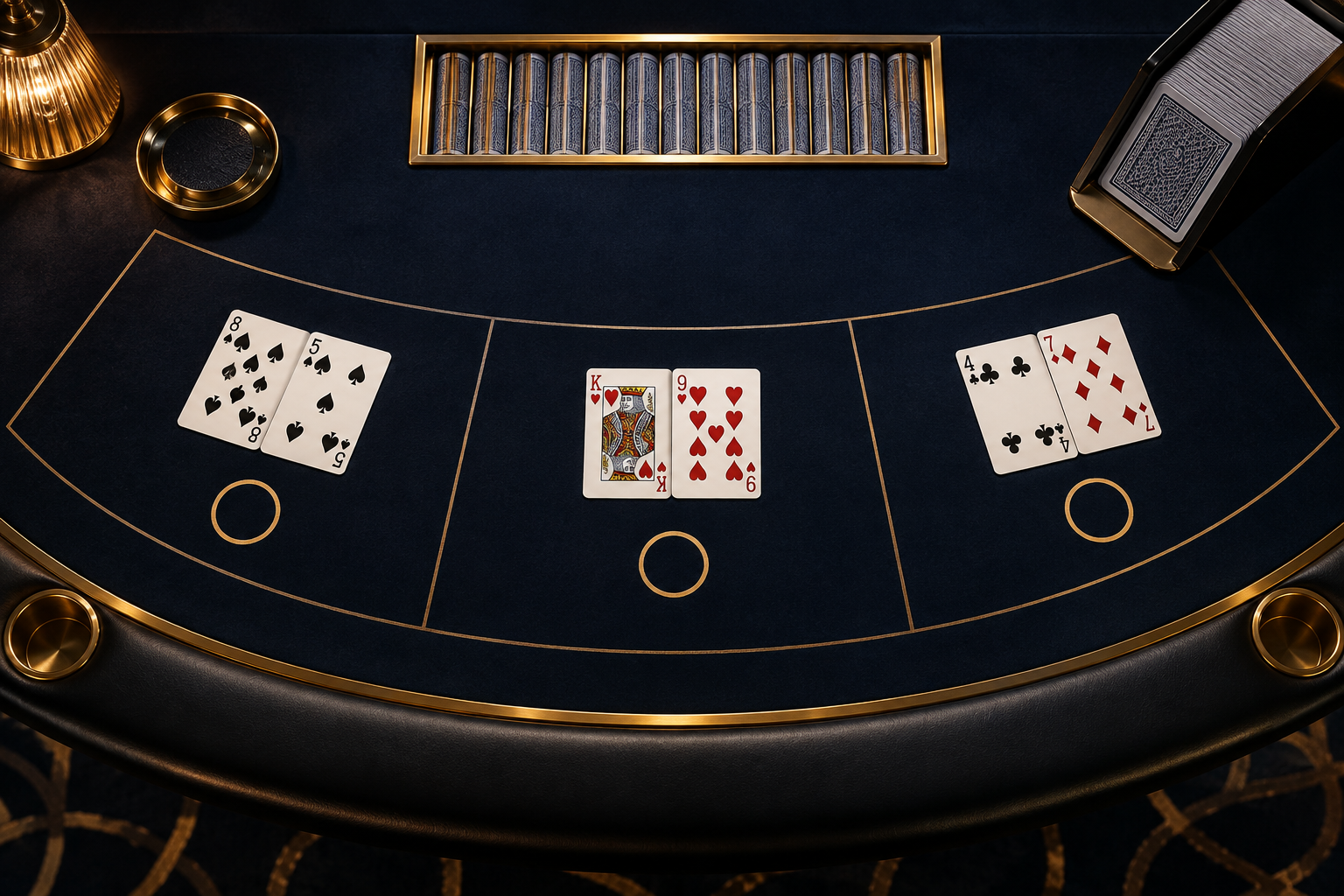
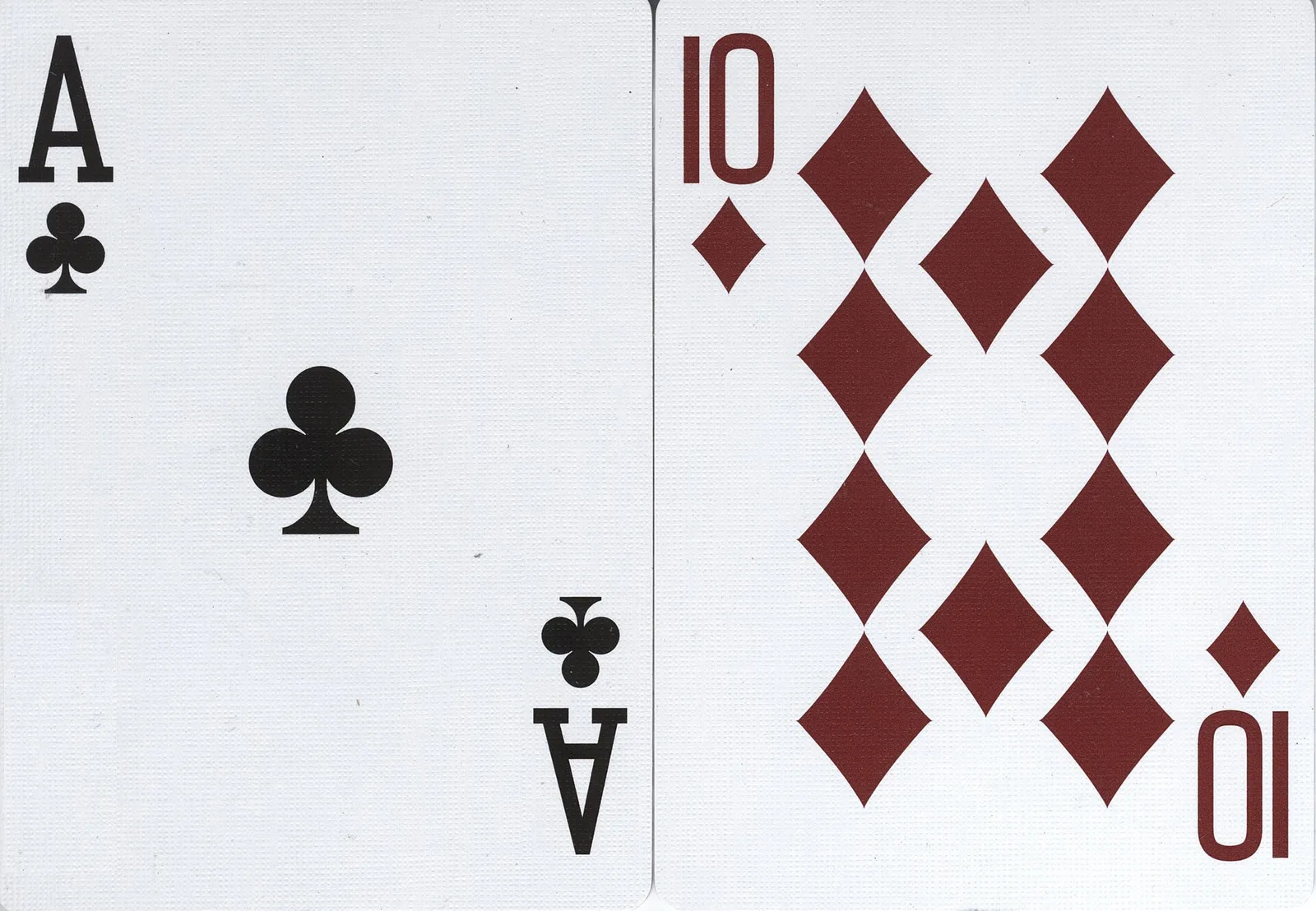
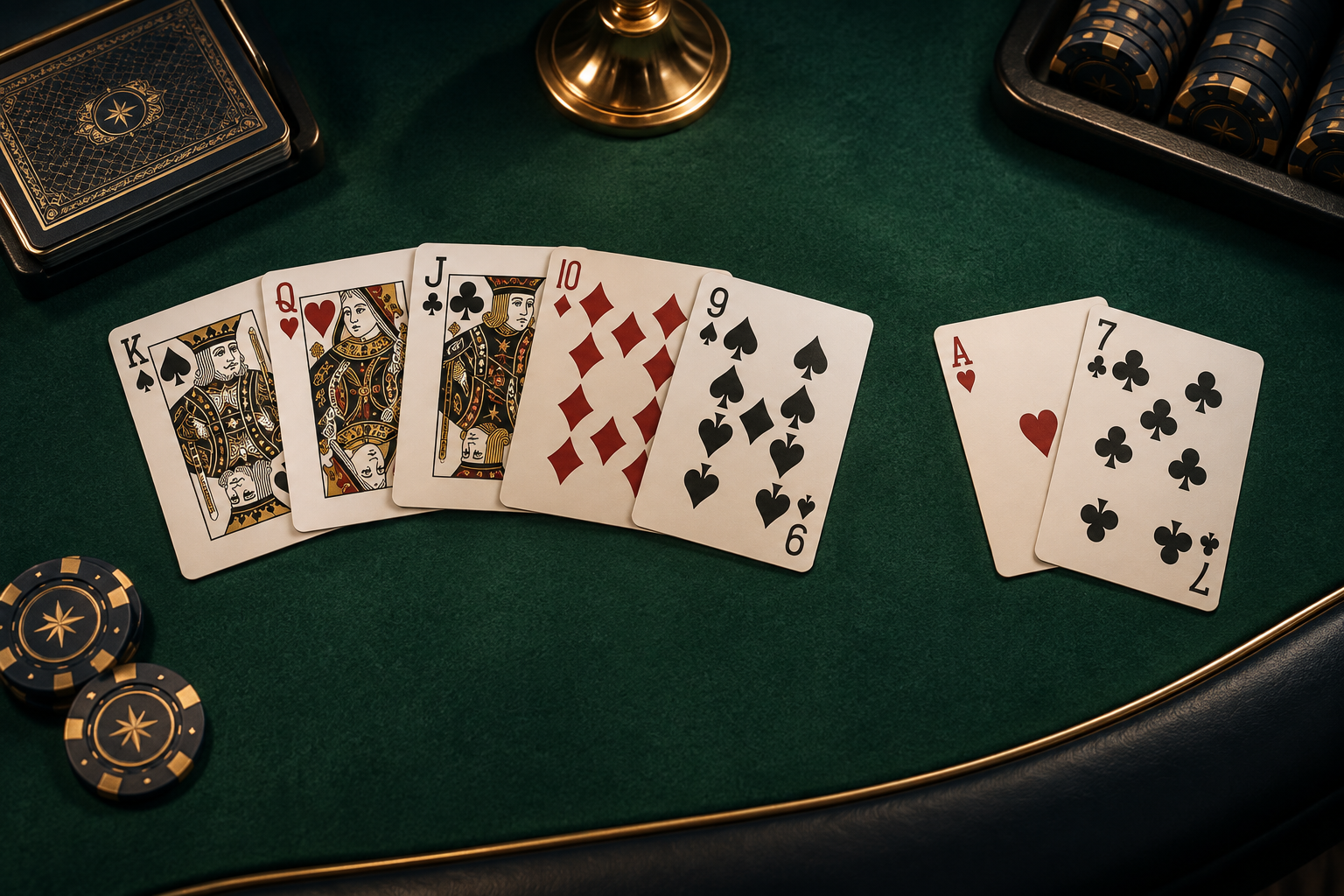
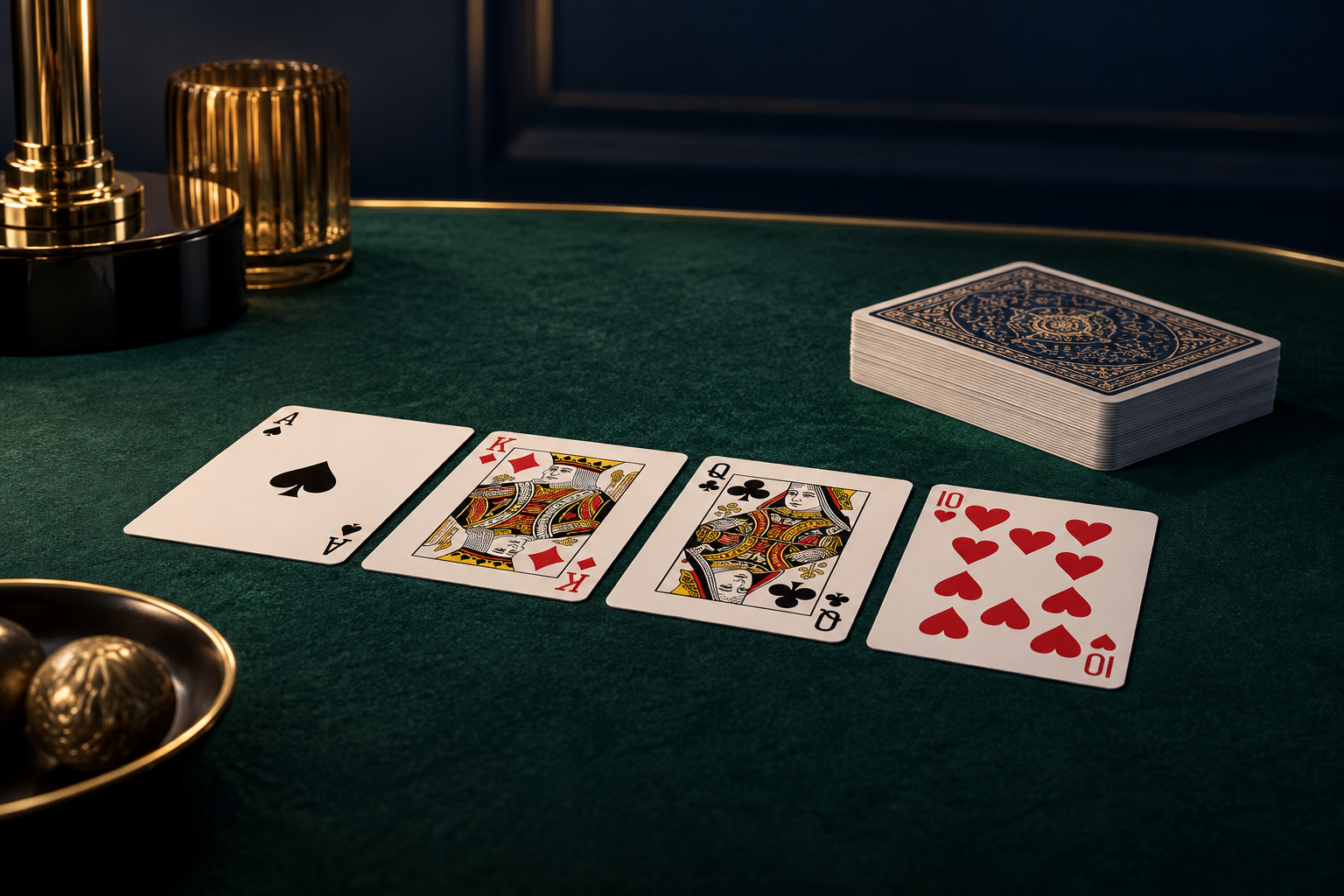
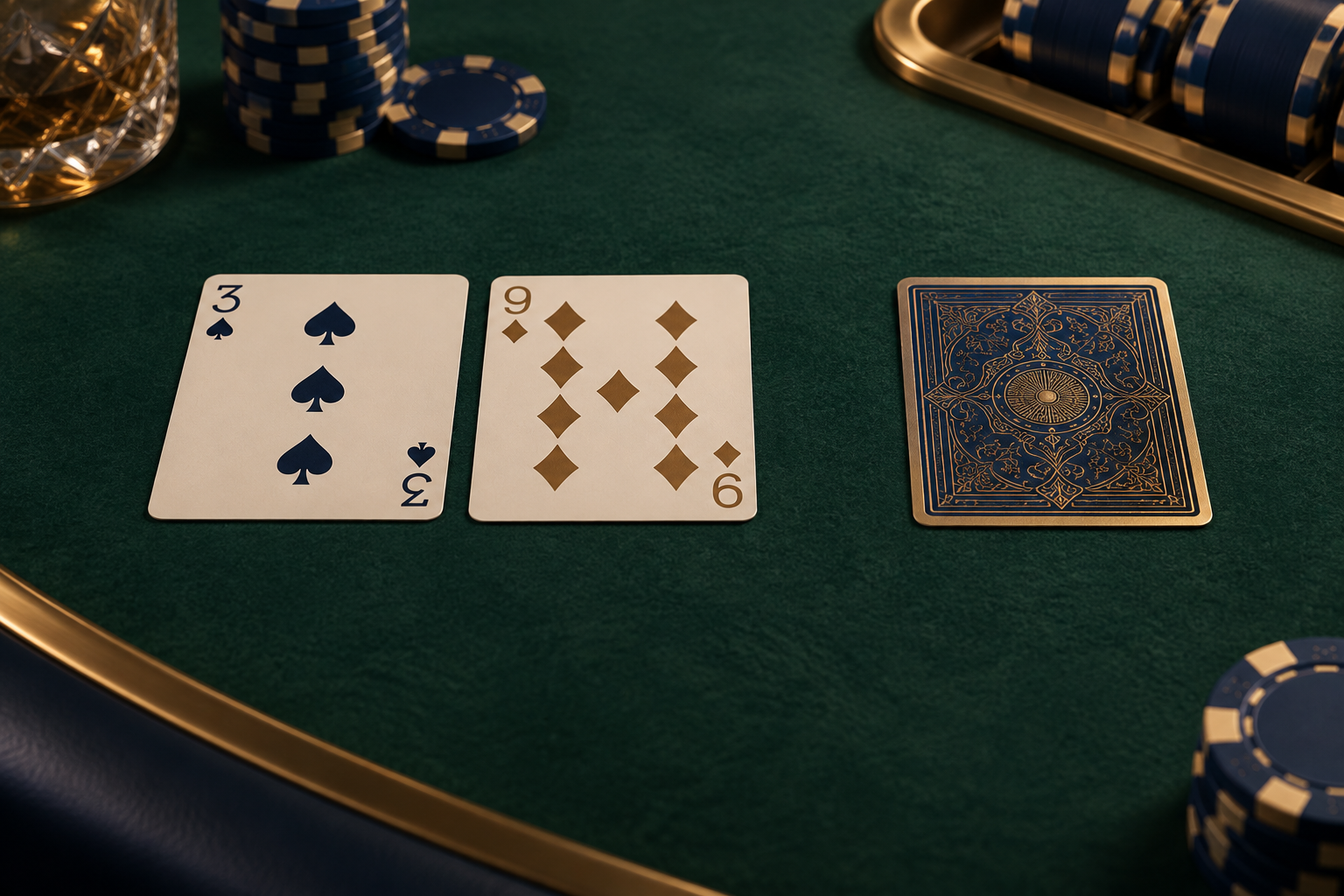
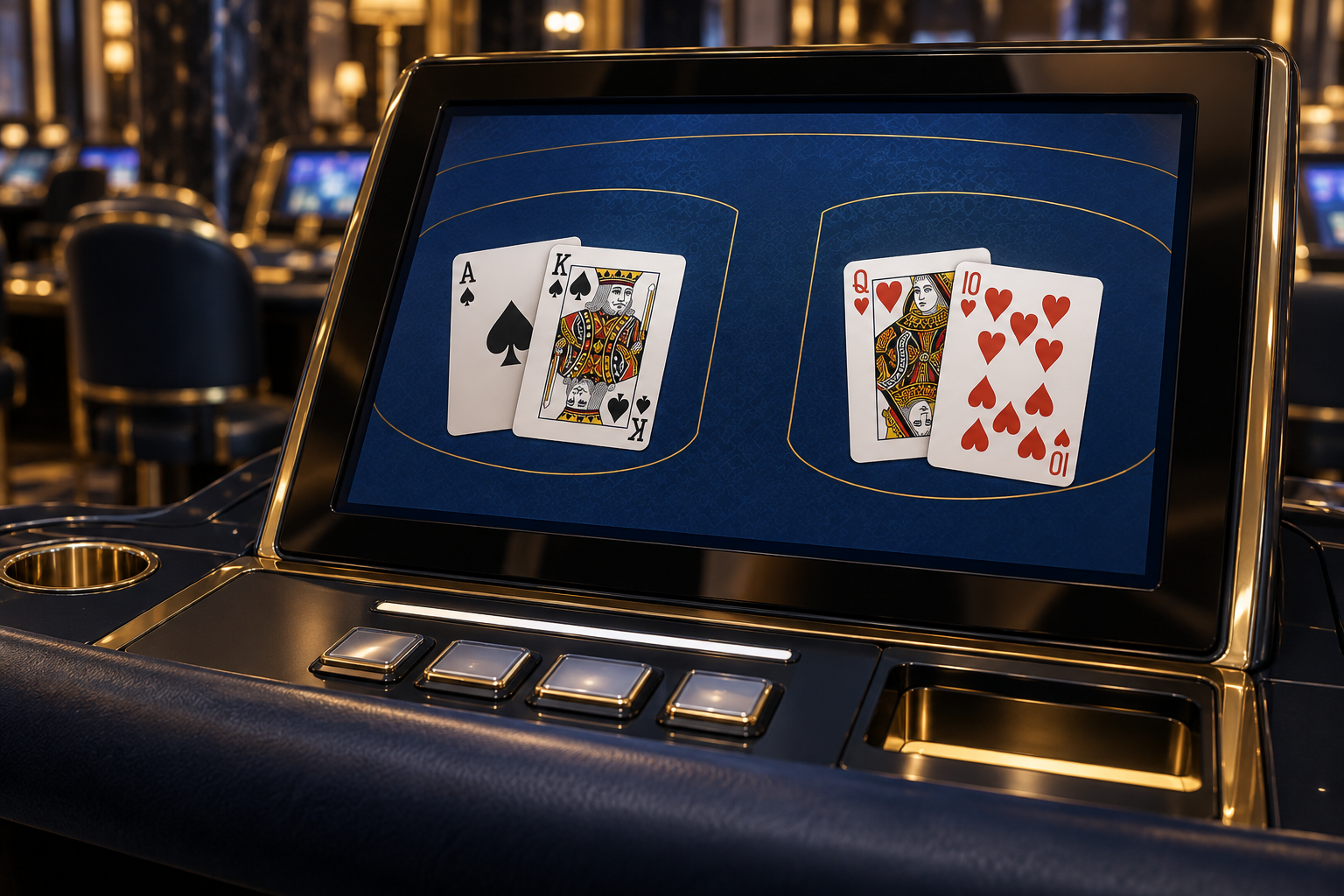
Two hands are labelled Player and Banker. These are table positions, not a requirement for a visitor to deal cards. Hand totals use the final decimal digit, with nine the comparison target.
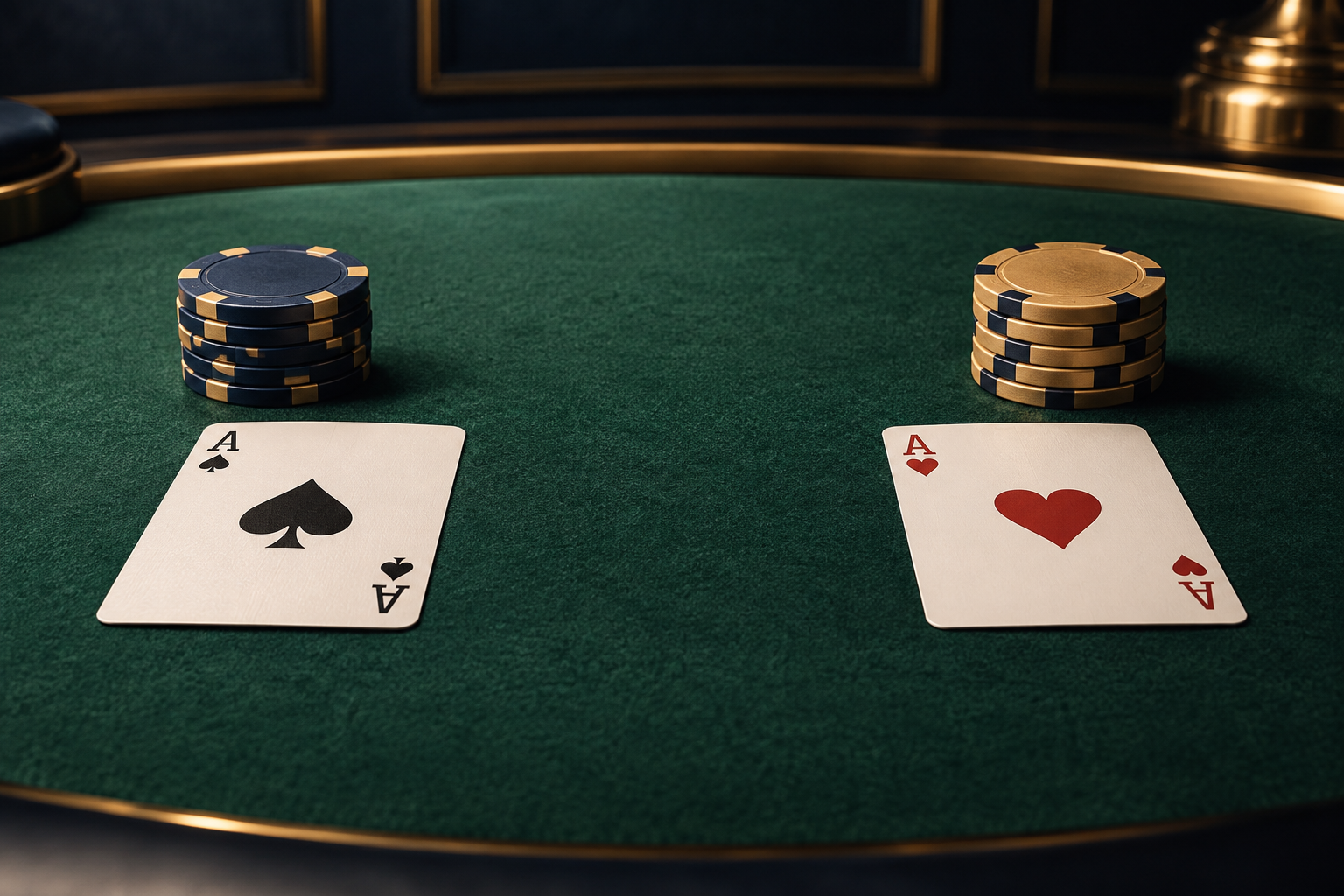
Dragon Tiger commonly compares one Dragon card with one Tiger card. The reference catalog calls it Dragon Tiger Baccarat; that name does not imply baccarat total scoring.
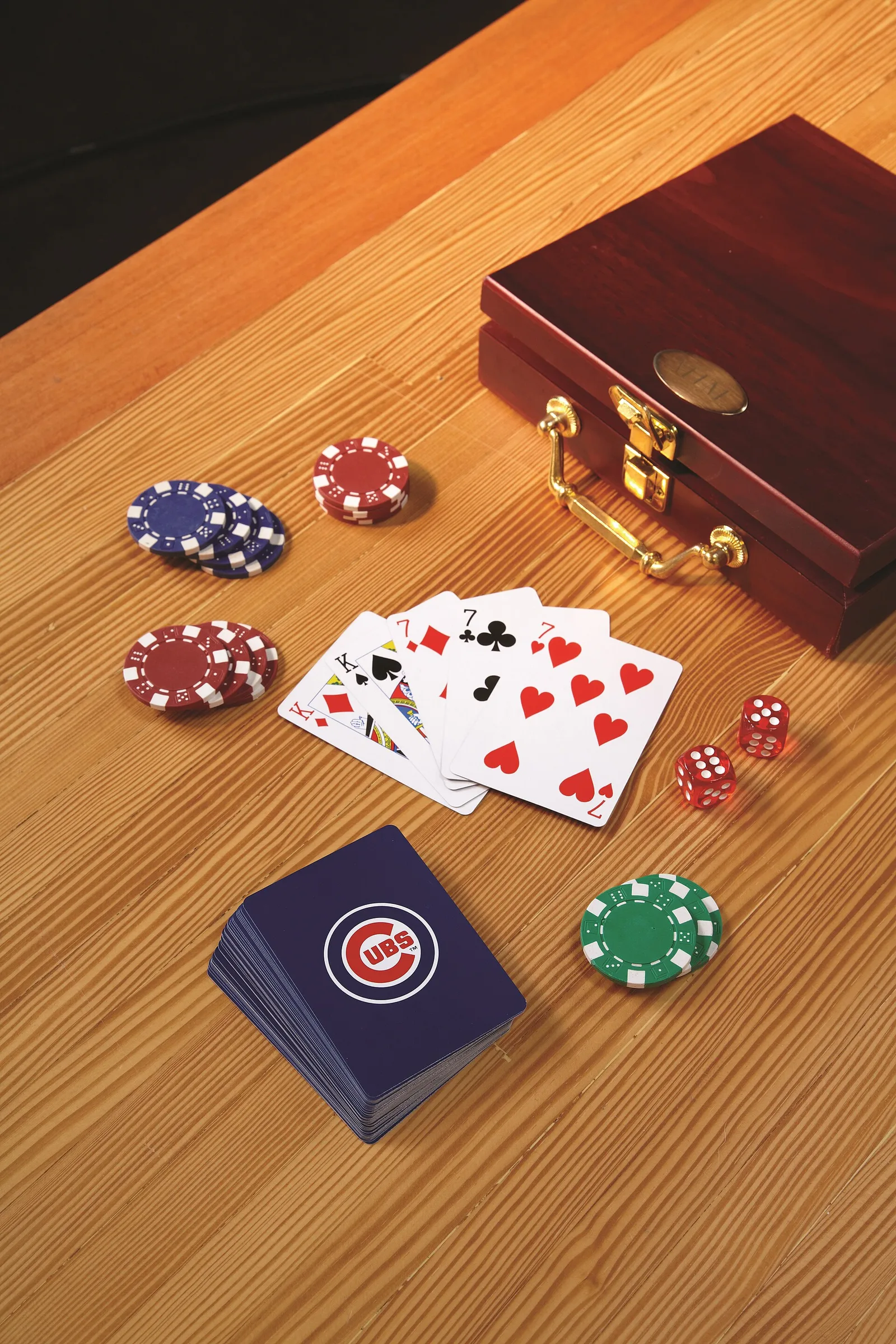
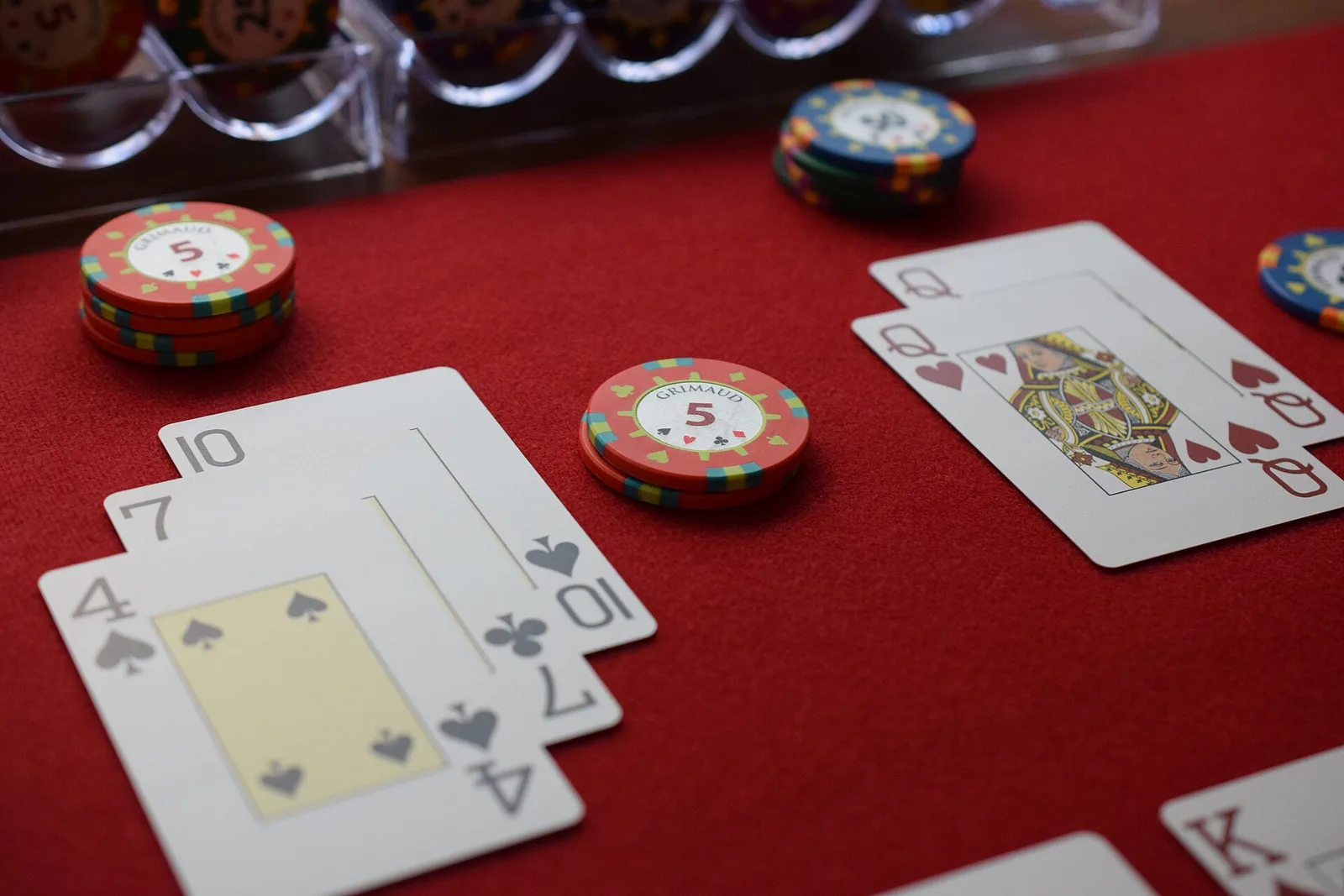
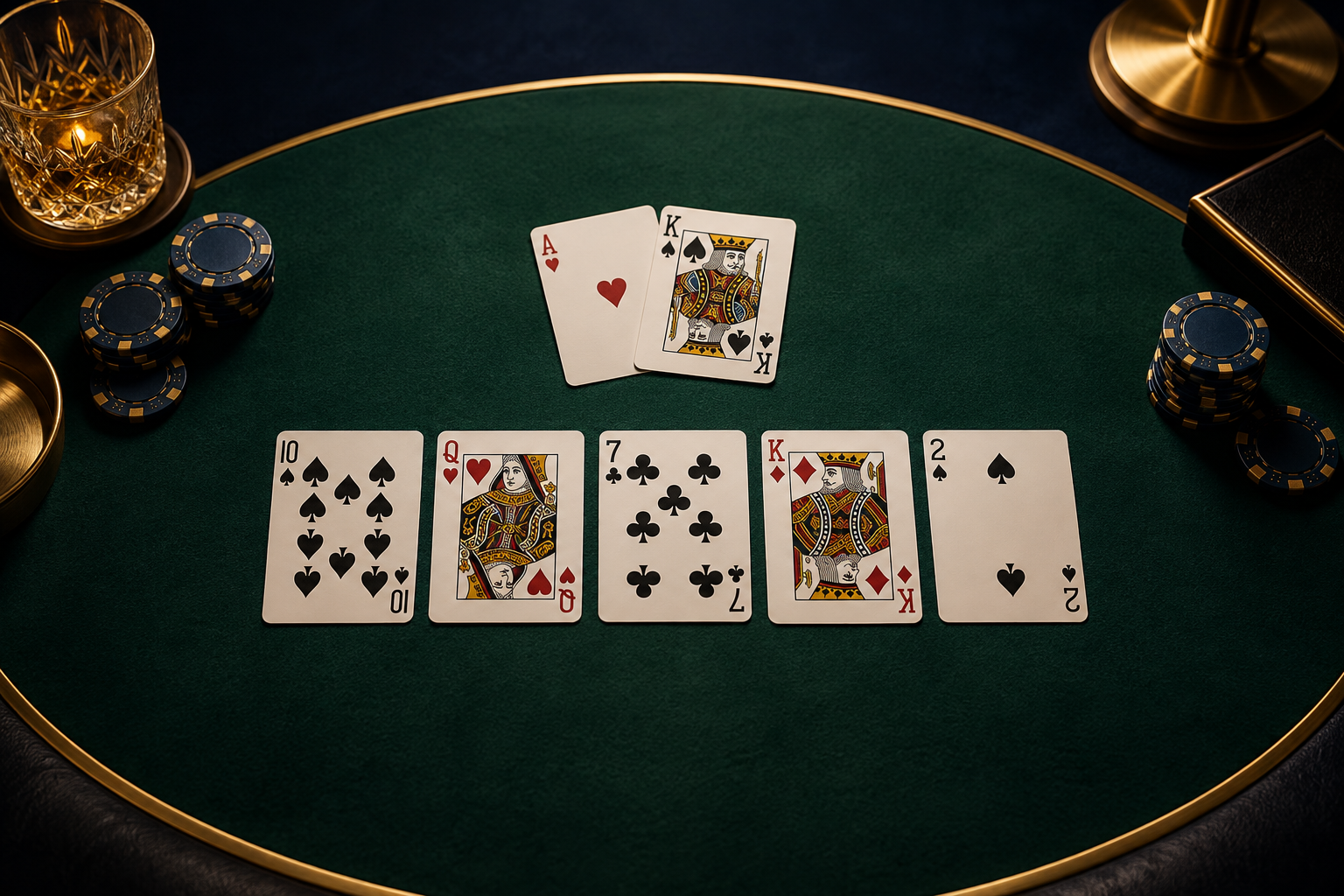
Texas Hold’em combines private and community cards. Player-versus-player poker differs from dealer-banked table variants; similar names do not guarantee identical rules.
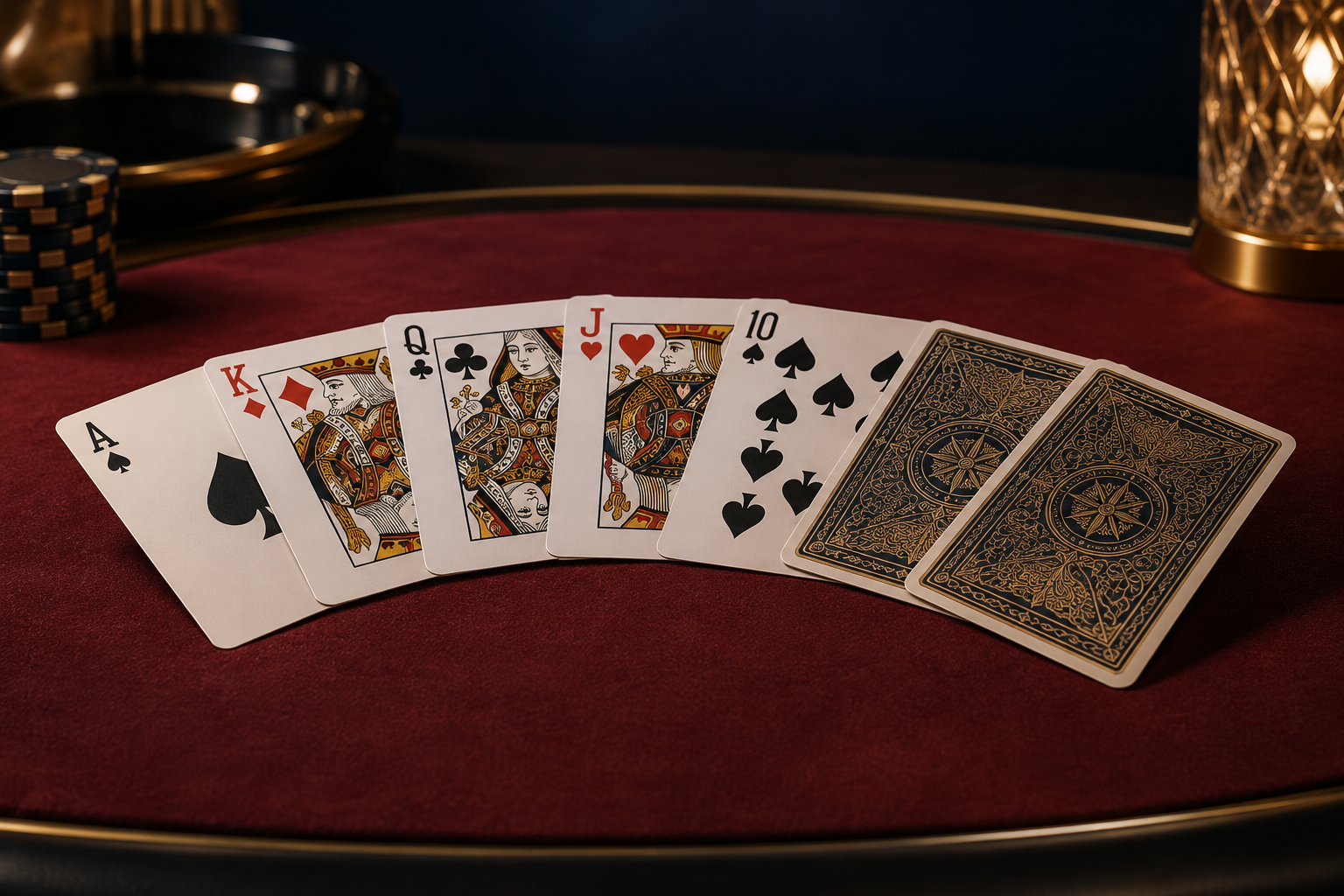
Three Card Poker uses three-card combinations. Its ranking differs in places from five-card poker, so rankings from another game should not be assumed.
Russian Poker is a table poker variant with rule-specific card exchange or additional-card options. A short overview cannot replace the full rules of an individual table.
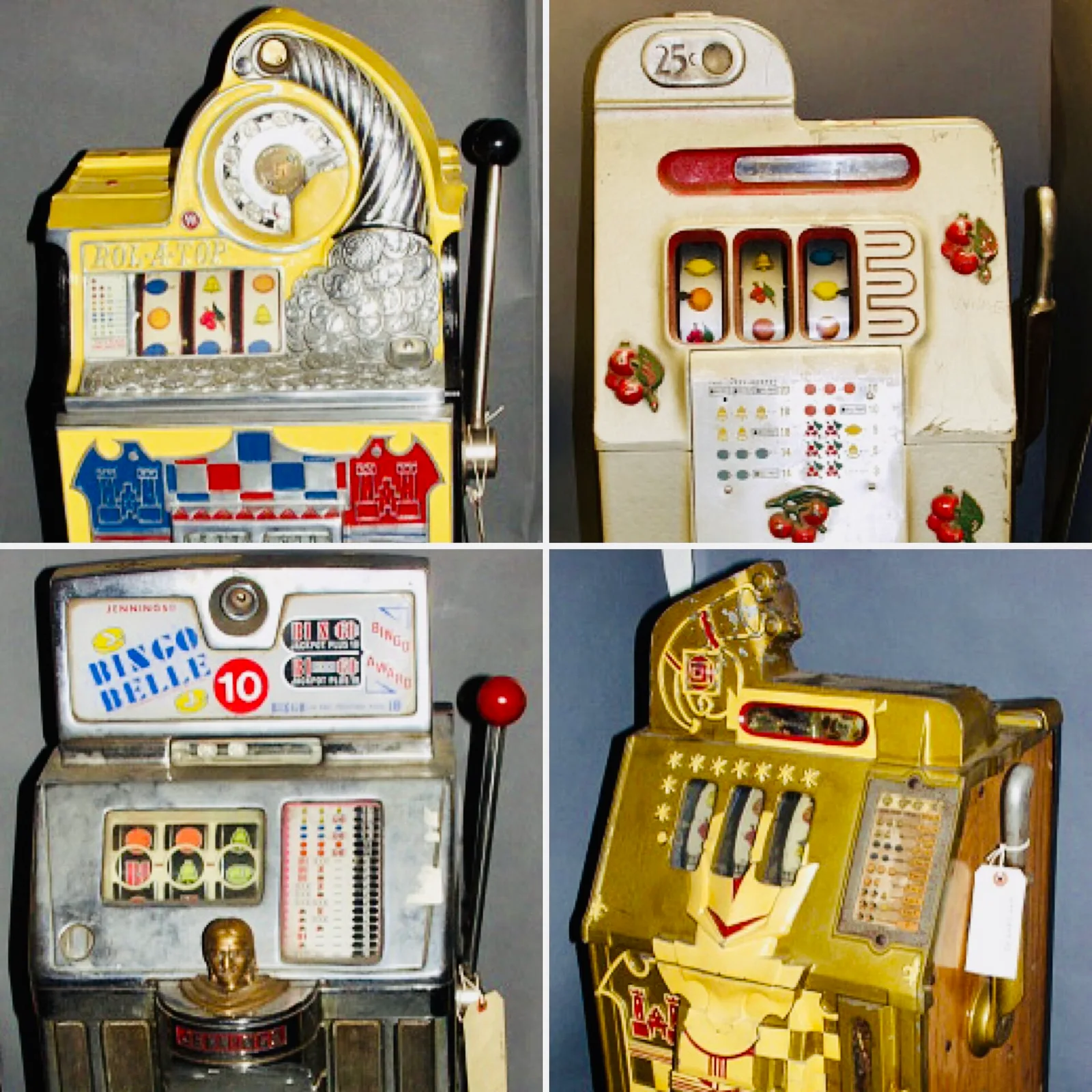
Slots display symbols on mechanical reels or a screen. Every product has its own configuration and explanation; appearance alone does not identify its rules.
Electronic table games describe a device category, not one ruleset. A terminal may simulate a table or relay results from a physical table; the specific product must be identified.
A compact table uses a dealer to manage both hands rather than passing the shoe between participants. The service format differs from a large baccarat table while retaining the same point-counting family.
This baccarat format applies a commission to specified Banker outcomes. The published settlement rules must be read alongside point counting; a hand label alone does not establish the payment terms.
Removing a separate commission commonly introduces an exception for a particular Banker result. The settlement table therefore differs from commission baccarat even when the dealing procedure looks similar.
A traditional baccarat format can rotate the banking role among participants. Drawing decisions and table organisation differ from the fixed drawing procedure associated with Punto Banco.
Baccarat Banque places a banking hand opposite two participant sides. This arrangement distinguishes it from Chemin de Fer, so identifying the exact format is important before interpreting table instructions.
In a common European dealing procedure, the dealer receives a second card after participants finish acting. Splitting and doubling rules still need to be checked for the specific table.
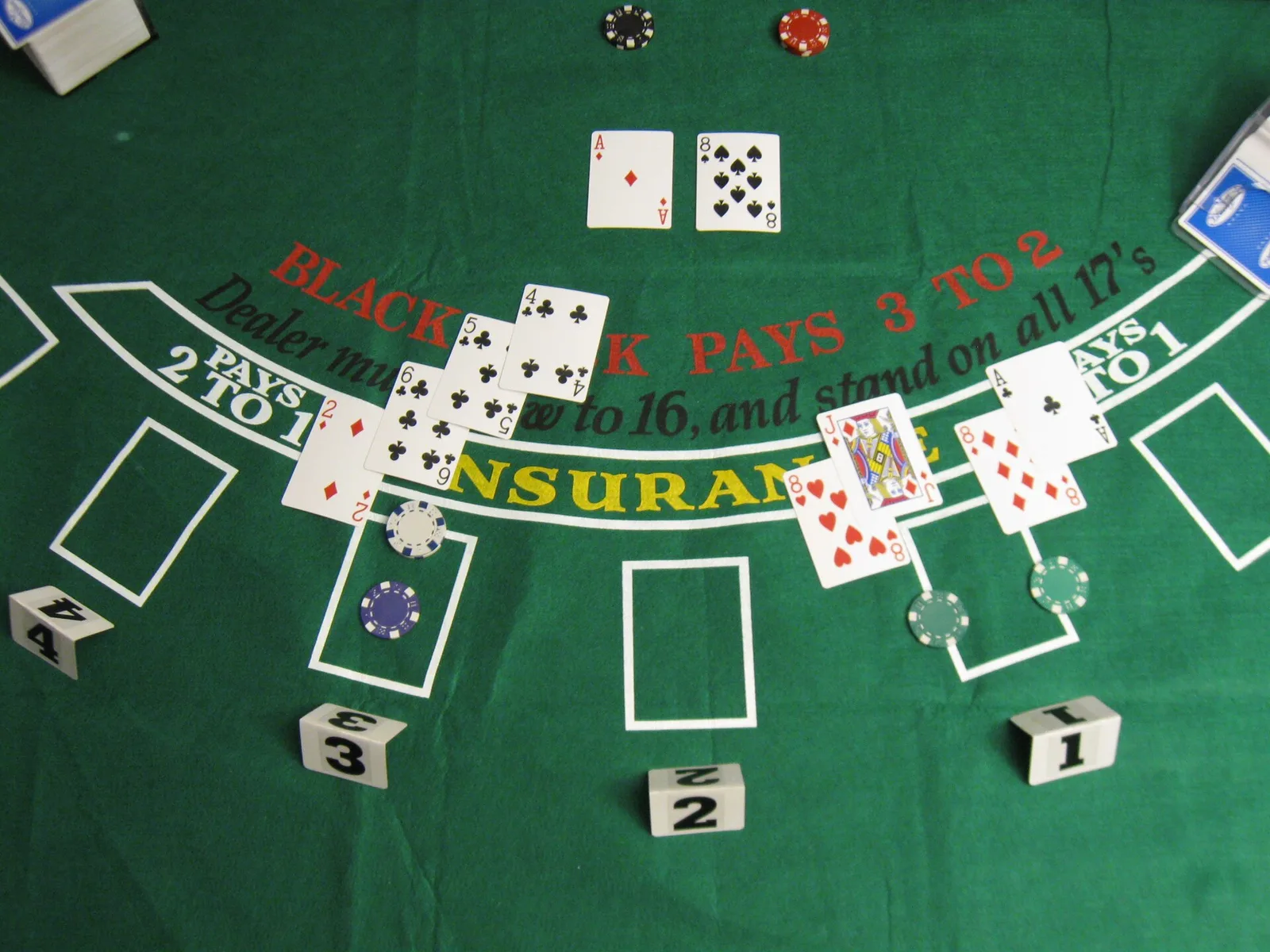
American dealing commonly gives the dealer a concealed second card at the start. The checking procedure for a natural 21 and any surrender rule distinguish individual rule sets.
This variant removes numeral tens while retaining jacks, queens and kings. The changed deck composition is accompanied by separate rules for totals of 21 and certain special combinations.
Pontoon names several members of the twenty-one family rather than one universal rule set. Terminology and treatment of five-card hands must be read against the documentation for the particular version.
Participants manage two hands and may exchange a designated card between them under the variant rules. That exchange mechanism comes with special treatment of a dealer total of 22.
Both initial dealer cards are exposed. The additional information is paired with different tie and settlement rules, so the visible cards alone do not describe how the round is resolved.
Qualifying splits or doubles use a table marker under specific conditions. Free in the product name does not mean all participation is without cost; the dealer-22 rule is an important distinction.
Each participant receives four private cards and must combine exactly two with three community cards. This fixed construction rule is the fundamental difference from Texas Hold’em.
This format separates a high hand from a qualifying low hand. A participant may construct different combinations for each, but both still require exactly two private and three community cards.
Cards arrive over successive stages, including both exposed and concealed cards. There is no Hold’em-style community board; the final five-card hand is selected from each participant’s seven cards.
Participants begin with five private cards and use a drawing stage governed by the table rules. Unlike stud, the format centres on concealed hands and the number of replacement cards requested.
Two private cards and community cards are used, but the participant faces the dealer. Dealer comparison and qualification distinguish it from a player-versus-player Texas Hold’em table.
A dealer-banked table game offers continuation decisions at designated community-card stages. Different layout areas serve different purposes; the Hold’em name does not imply tournament poker rules.
Seven cards are arranged into a five-card hand and a two-card hand for separate comparisons. The required ordering of the hands differs from simply selecting the strongest five cards out of seven.
Three private cards combine with two community cards to create a five-card poker hand. Revealing the community cards is paired with designated opportunities to withdraw a portion under the game rules.
Two private cards combine with three community cards revealed in stages. The final hand is evaluated against a combination table rather than a dealer hand, distinguishing it from many casino poker formats.
Despite the name, participants commonly receive more than four cards and select a final four-card combination. Four-card rankings must not be replaced with ordinary five-card poker rankings.
The game uses four-card hands with its own layout and qualification conditions. It should not be conflated with Four Card Poker, because the two product names describe separate rule sets.
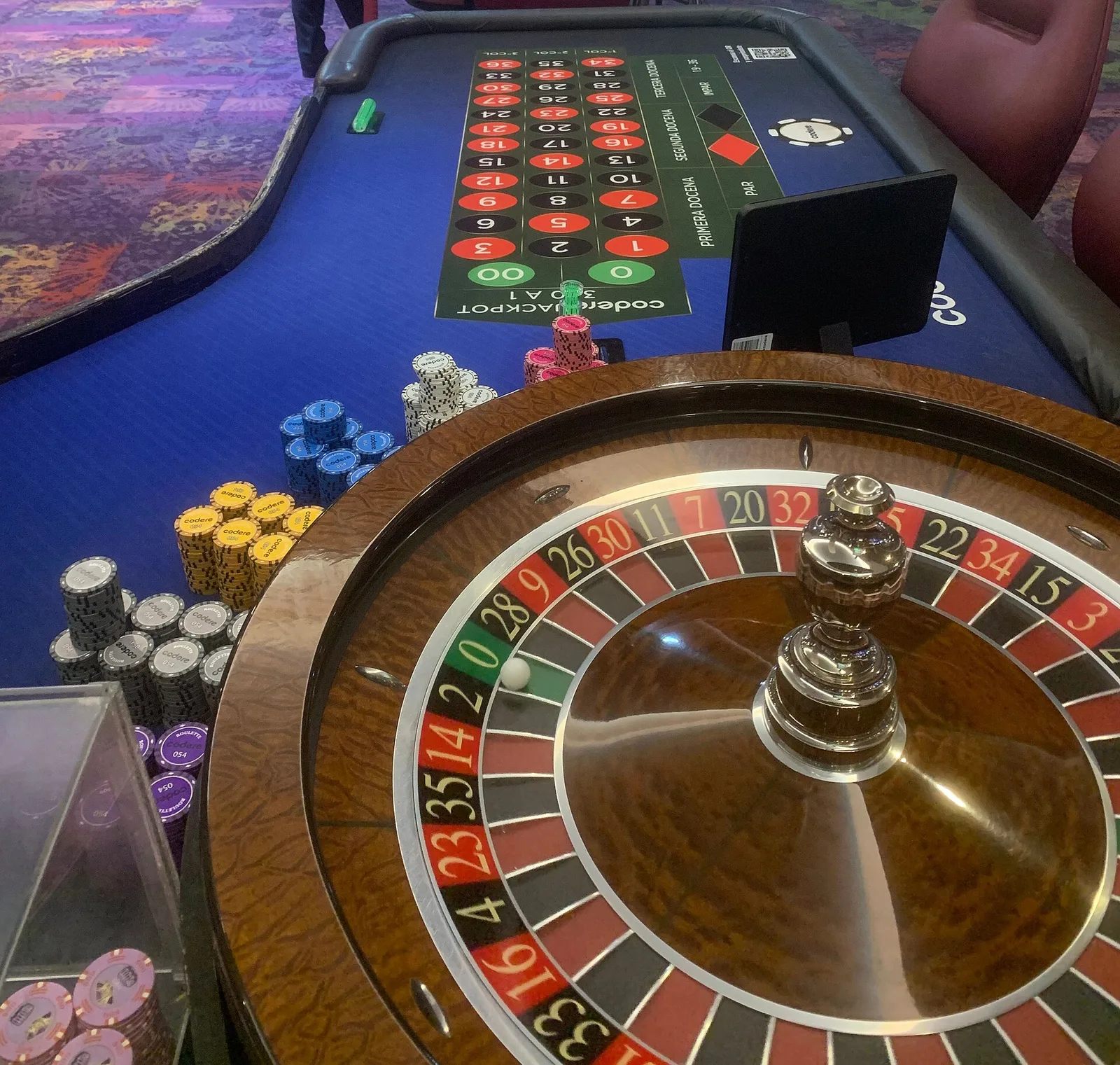
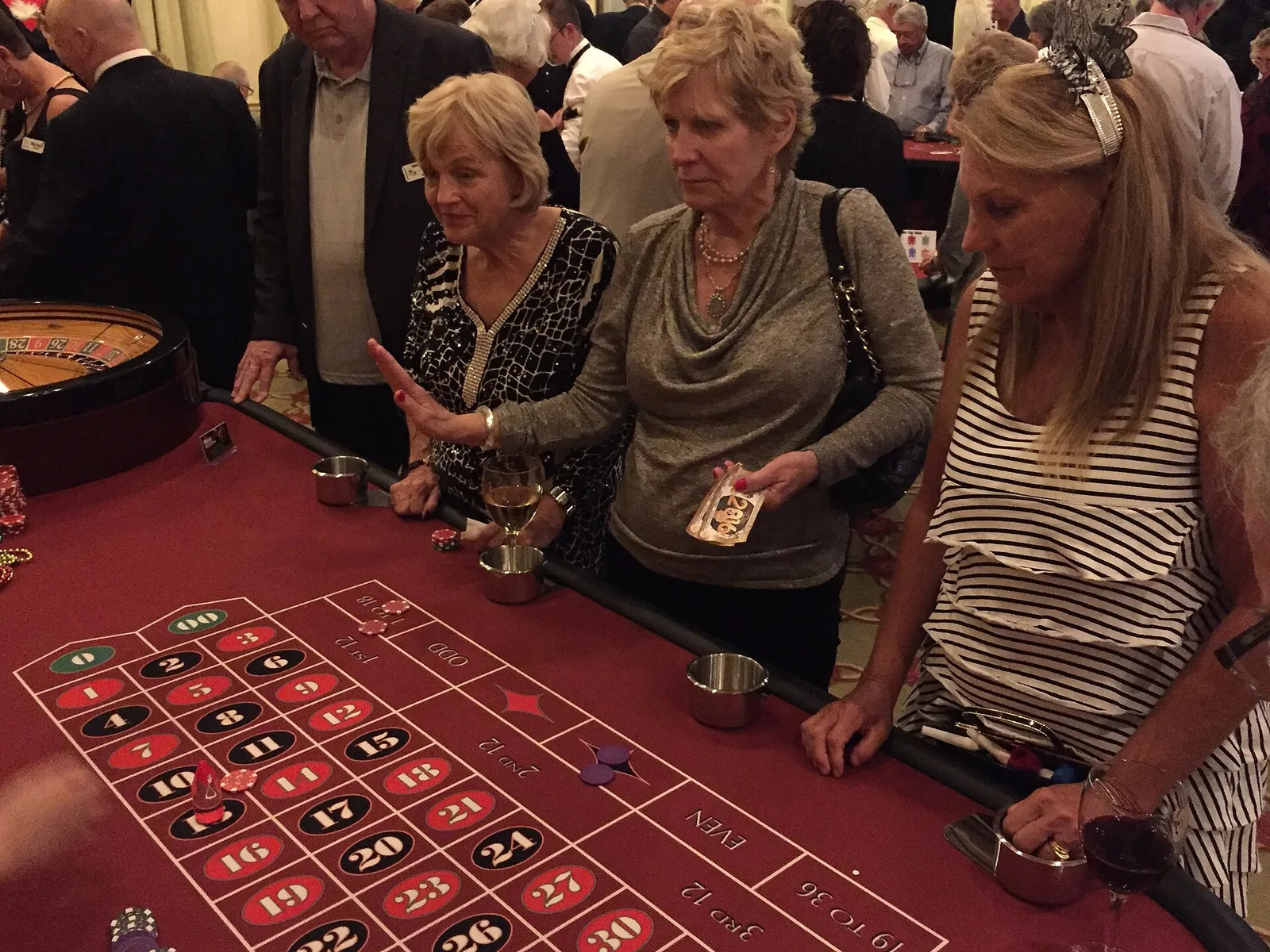
The common wheel includes both 0 and 00 alongside numbers 1 through 36. Those two green pockets distinguish it visually, and the wheel sequence differs from the European arrangement.
Usually a single-zero wheel is paired with French table terminology. Some rule sets include La Partage or En Prison in specified circumstances; these provisions must be checked rather than assumed.
Two balls are used during one wheel cycle, producing a distinct result mechanism. Its layout and settlement table differ from single-ball roulette and require separate documentation.
A vertical wheel is divided into symbol segments and stops against a fixed pointer. Segment sizes and repeated symbols distinguish its construction from a numbered roulette wheel.
Two dice are thrown on a bounded table. A round begins with a come-out stage and may establish a point; participants observe the same throw while layout areas represent different conditions.
Three dice are mixed inside a cage or enclosed device. The visible process centres on how often a face appears, and the tumbling apparatus distinguishes it from a craps table.
Three dice carry symbols such as a crown, anchor and card suits instead of ordinary pips. Matching symbols appear on the layout and define the choices in the game documentation.
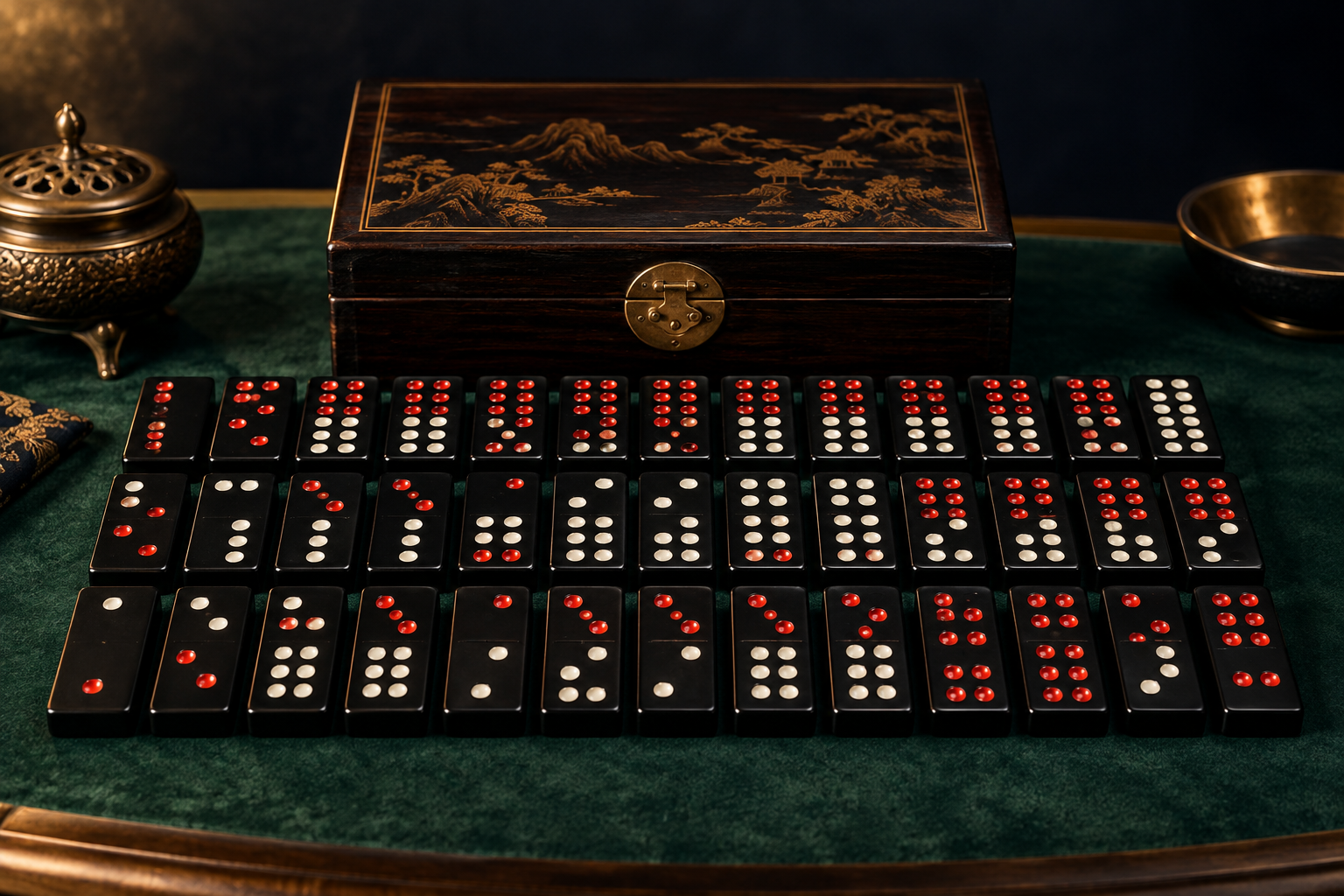
A Chinese domino set follows a traditional ranking system. Four tiles are divided into two pairs, and special pair rankings cannot be inferred merely by adding their pips.
An operator separates a quantity of small counters and removes groups of four to determine the remainder. This counting game is distinct from the card-layout game also called Fan Tan.
A three-card format widely associated with South Asia uses hand rankings and rounds governed by its own rules. It is not interchangeable with dealer-banked Three Card Poker.
A reference card is exposed before cards are dealt alternately to two sides. The sequence stops on a matching rank; the starting side should be identified from the specific version’s rules.
Each side receives one card and compares ranks. A tie triggers a separate continuation or ending procedure, which distinguishes the casino format from a simple home high-card comparison.
Two initial cards establish a rank interval and the next card is evaluated against that interval. Adjacent ranks and matching ranks receive separate treatment rather than always forming a standard round.
High–low comparison formats commonly use a reference card and a subsequent card. Ace ranking and equal-rank treatment must be identified first; this guide describes the general mechanism rather than a universal table rule.
Three mechanical reels or reel representations form a symbol display. A classic appearance does not establish how a machine determines results; its instructions and manufacturer documentation are the relevant sources.
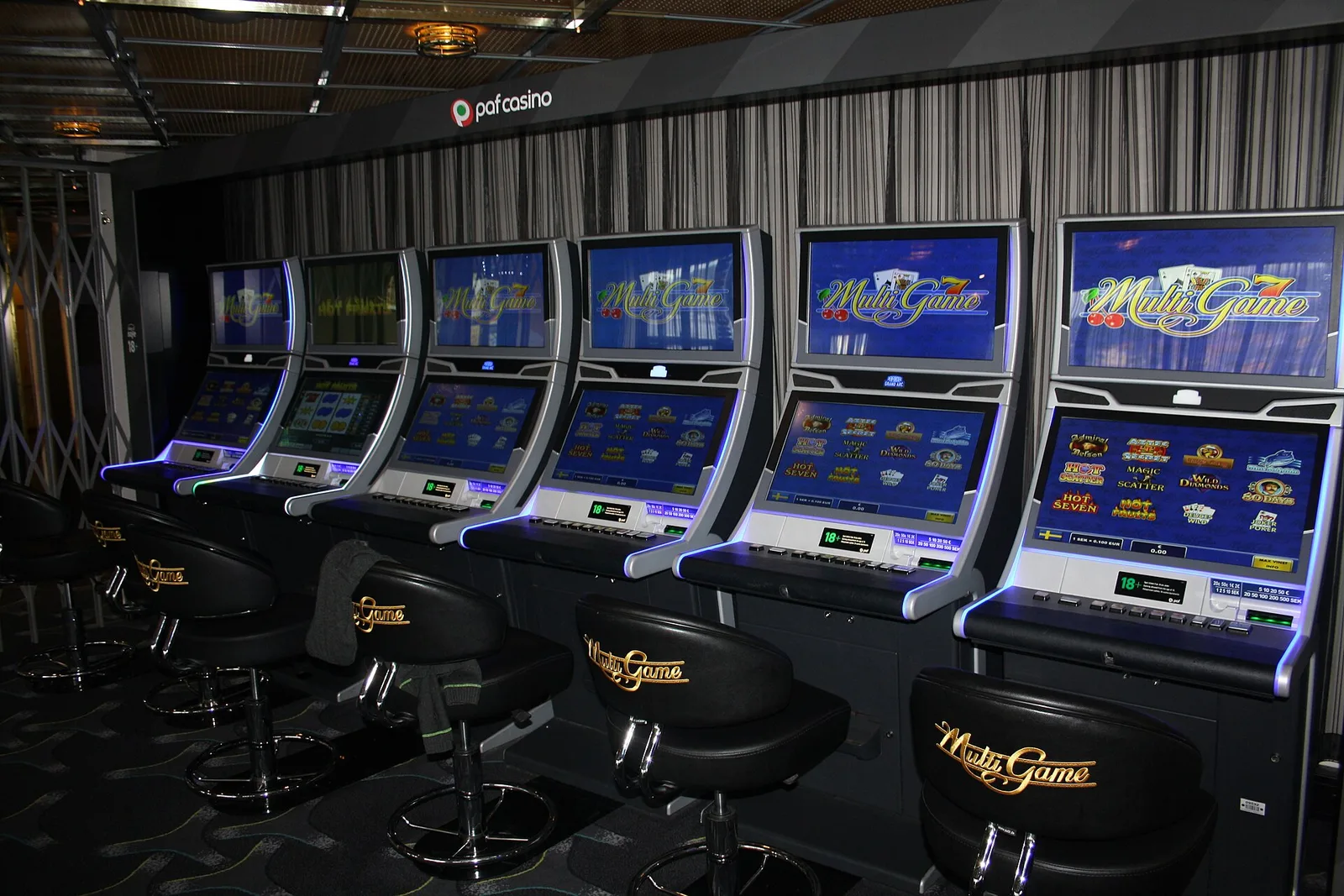
Reels and effects are displayed on a screen rather than necessarily using mechanical drums. Help screens explain symbols and feature conditions, while machines sharing a theme may still have different configurations.
The device evaluates several symbol paths across its reels. Paths may run diagonally or follow specific patterns, so the active-line diagram matters rather than only the middle horizontal row.
A progressive meter may be linked to one machine or a configured network. Its displayed figure is a point-in-time reading, not a value promised or updated live by this guide.
A single terminal offers several programs through a menu. Each program has its own information screen, and changing the menu selection may change the game family, symbols and display configuration.
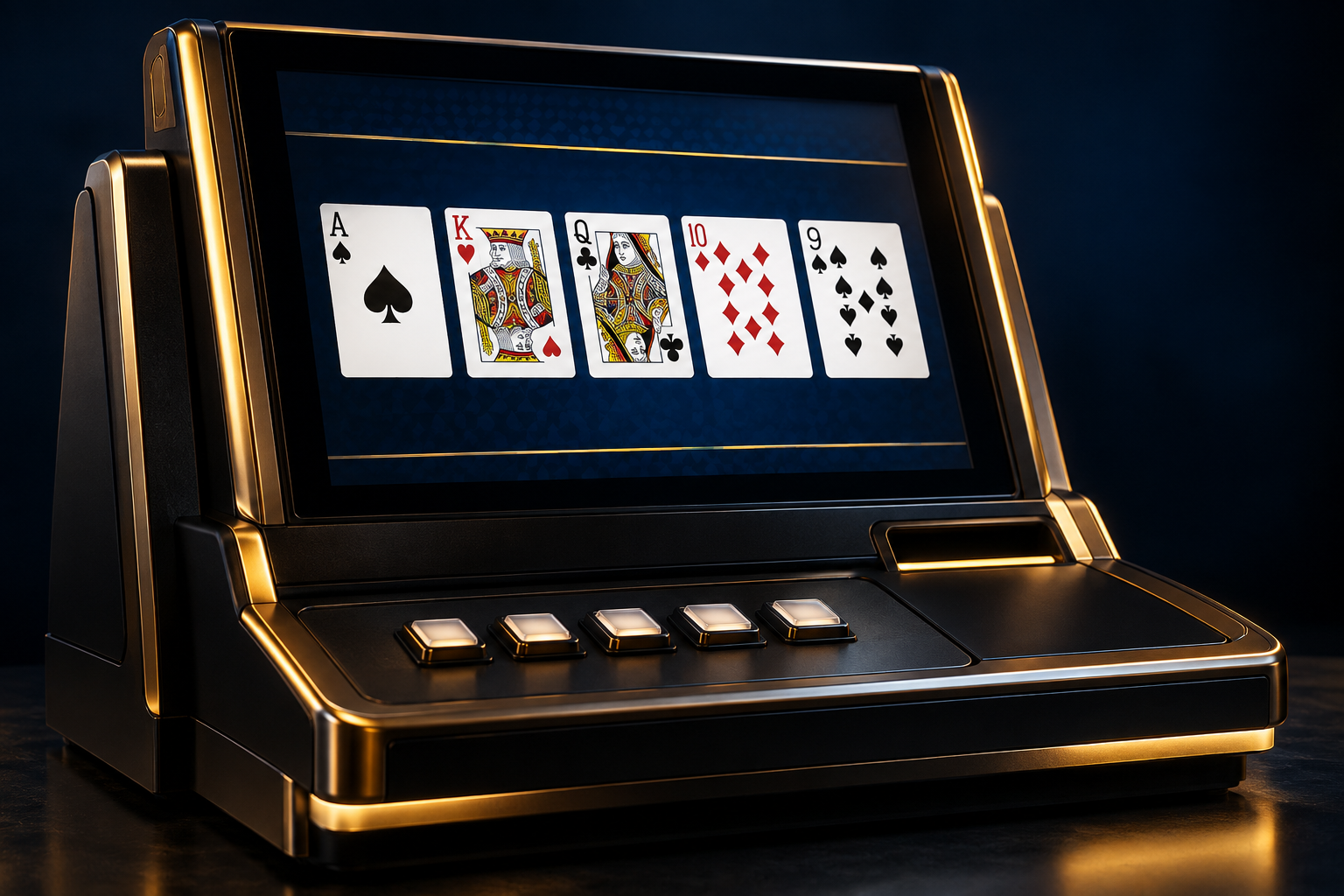
A screen presents a five-card hand and allows selected cards to be held before replacement. The machine’s combination table classifies the result; this is not an online multiplayer poker table.
Multiple seats or individual screens observe centrally hosted game sources. The stadium arrangement describes seating and interfaces; it does not by itself establish which games a venue offers.
A screen interface displays baccarat hands and round status. The result source may be a hosted table feed or a certified electronic system; the specific terminal documentation identifies the implementation.
Hit and stand actions are presented through an interface. The screen changes the interaction method but does not make every terminal use an identical blackjack rule set.
A terminal displays three dice and round opening and closing stages. Some configurations show physical dice under a dome while others use electronic results; device specifications distinguish them.
A selection terminal connects to a physical wheel or an electronic result system. A camera view or wheel animation alone does not establish the internal mechanism; equipment labelling provides that distinction.
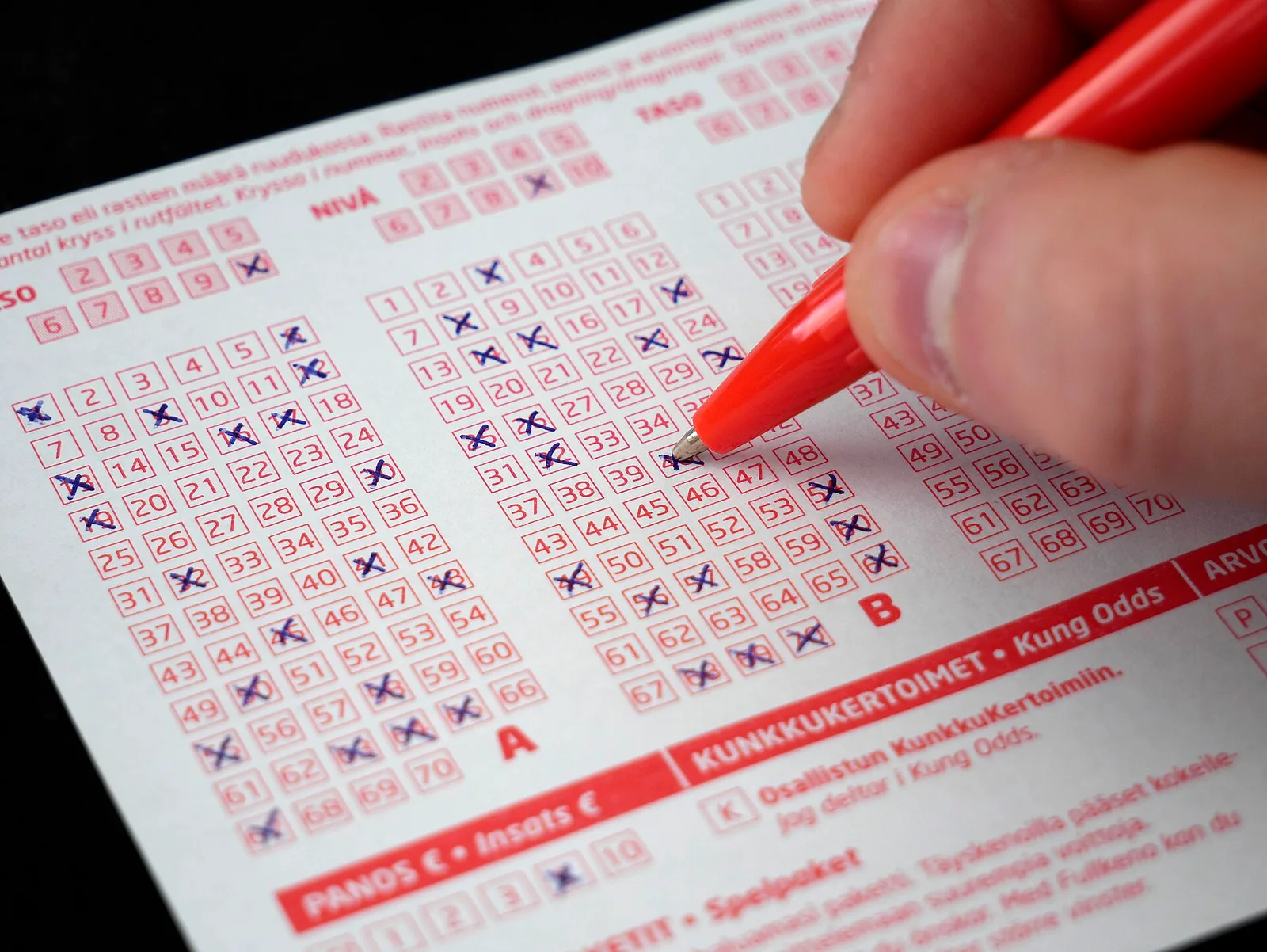
Participants select numbers from a published pool and compare them with a draw. Selection size, draw size and announcement timing depend on the particular program’s documentation.
Number cards are marked against called numbers, and a defined completion pattern determines when a card is checked. Patterns may be lines or other shapes, so not every program uses a single-row condition.