

Poker names cover several formats, including house-banked variants and games between participants. Do not assume one variant follows another’s rules.
Responsible information · Request for assistance, not a confirmed booking

ROYAL BAY · CASINO
Poker names cover several formats, including house-banked variants and games between participants.
Information is awaiting verification. Ask our concierge for help with travel planning.
Poker names cover several formats, including house-banked variants and games between participants. Do not assume one variant follows another’s rules.
Responsible information · Request for assistance, not a confirmed booking
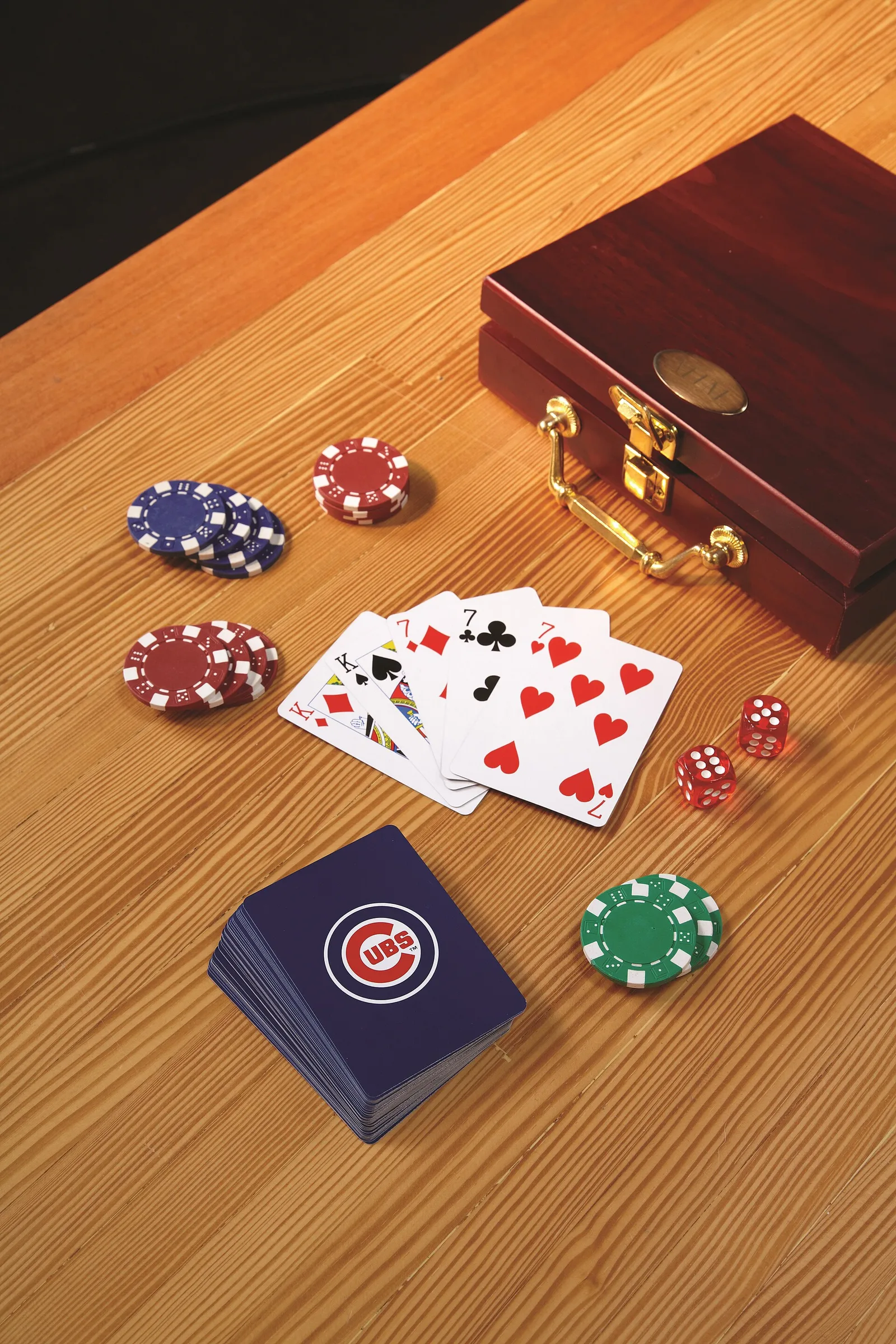
Texas Hold’em combines private and community cards. Player-versus-player poker differs from dealer-banked table variants; similar names do not guarantee identical rules.
View details ↗
Three Card Poker uses three-card combinations. Its ranking differs in places from five-card poker, so rankings from another game should not be assumed.
View details ↗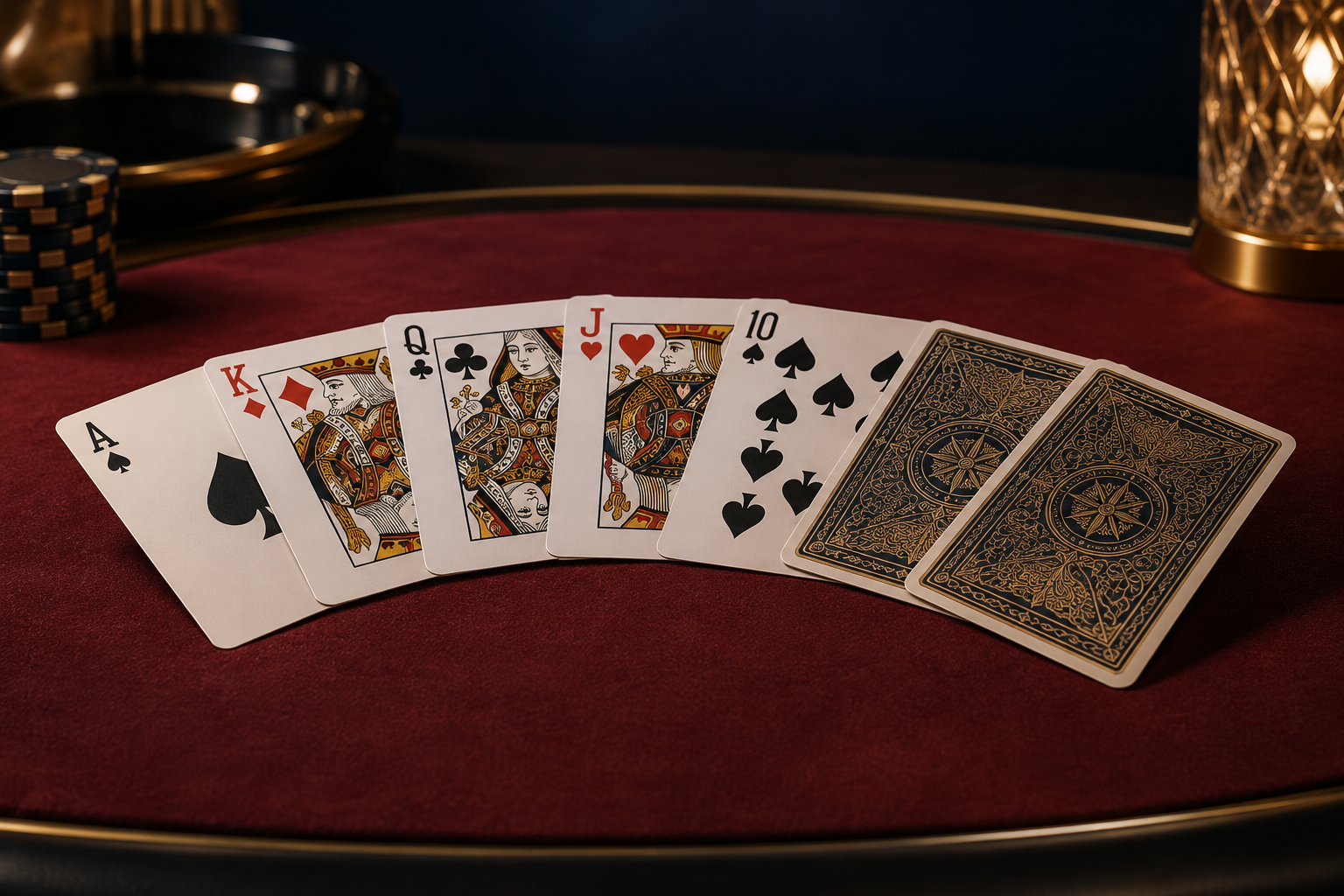
Russian Poker is a table poker variant with rule-specific card exchange or additional-card options. A short overview cannot replace the full rules of an individual table.
View details ↗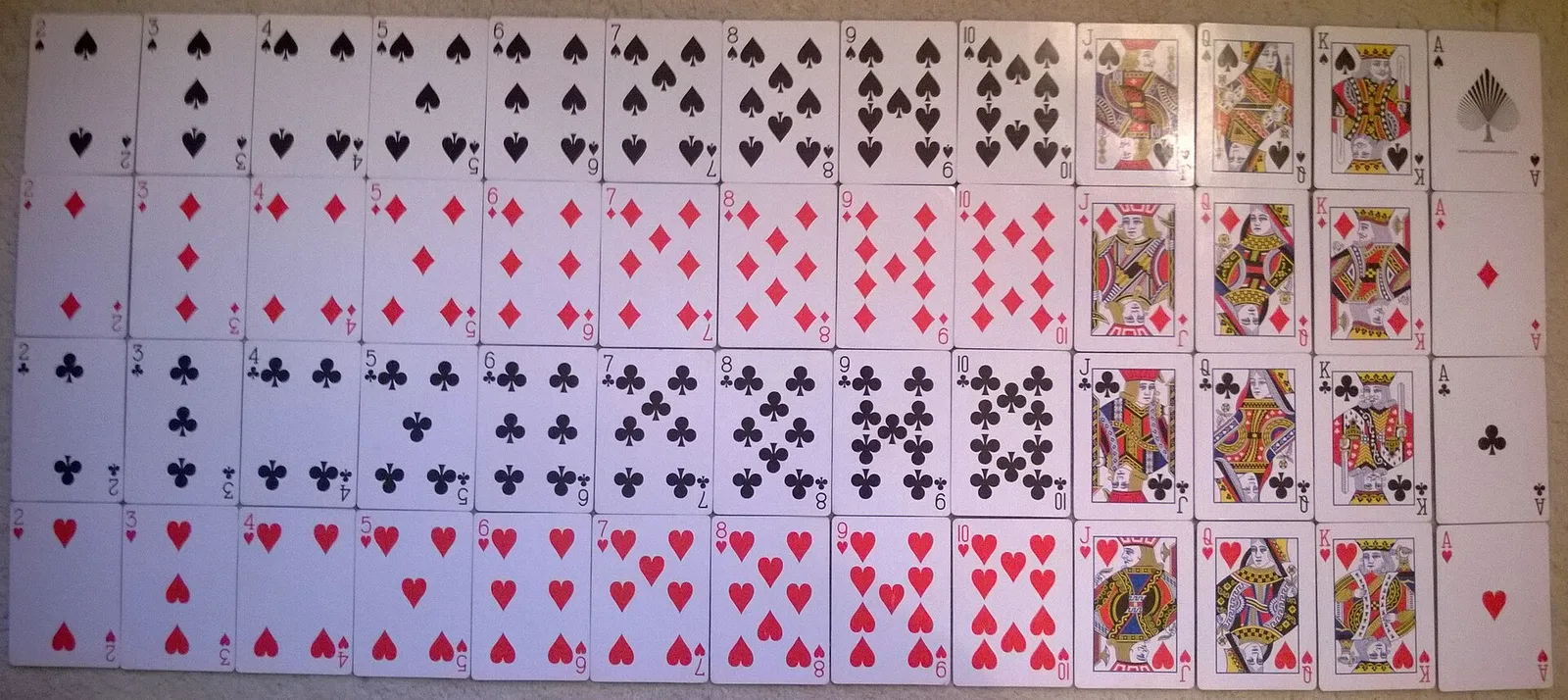
Niu Niu is a five-card game that groups cards to determine a score. Special combination names differ from Western poker terminology.
View details ↗
Caribbean Stud is a table game comparing five-card hands against a dealer. It differs from multi-player poker competing for a shared pot.
View details ↗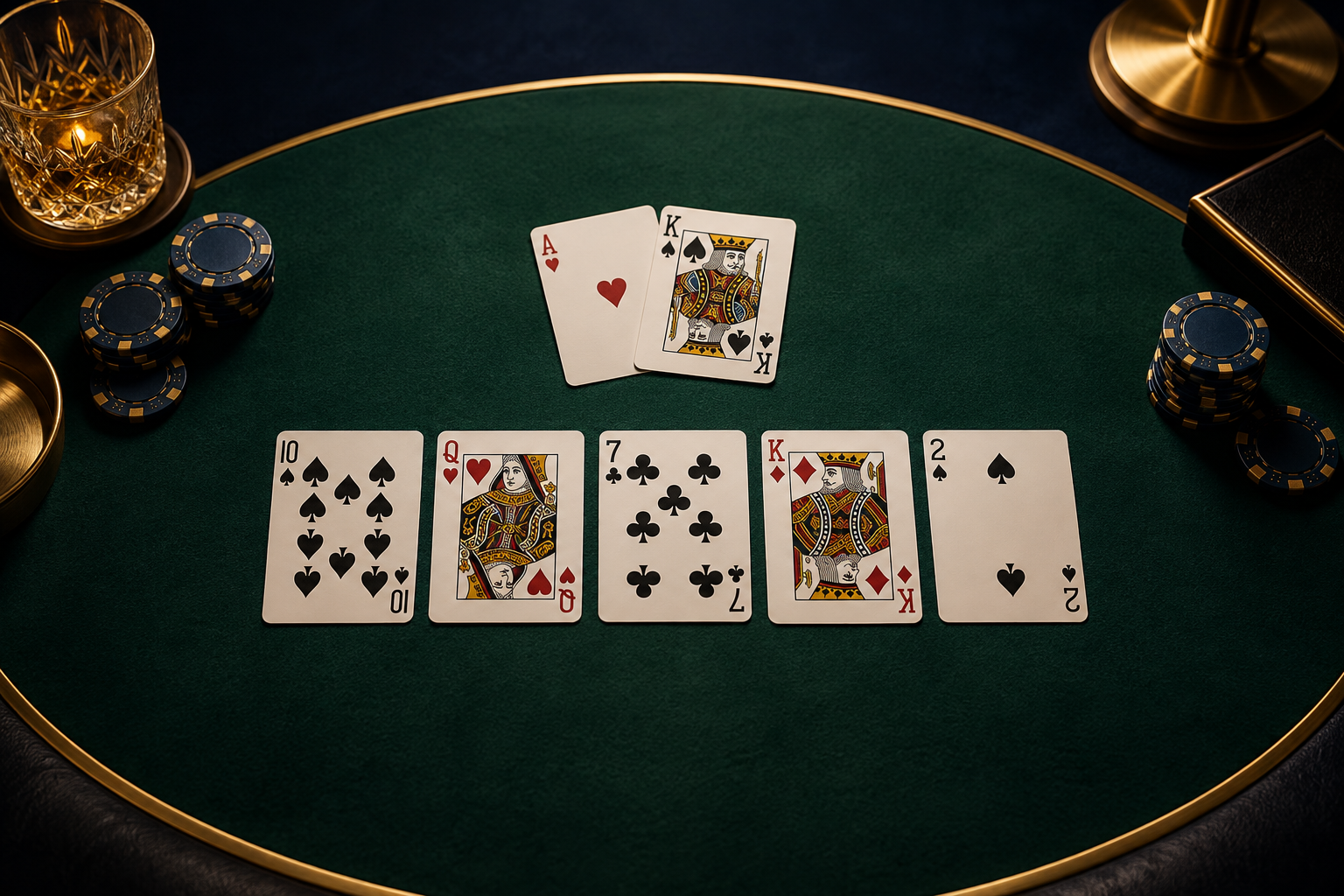
Each participant receives four private cards and must combine exactly two with three community cards. This fixed construction rule is the fundamental difference from Texas Hold’em.
View details ↗
This format separates a high hand from a qualifying low hand. A participant may construct different combinations for each, but both still require exactly two private and three community cards.
View details ↗
Cards arrive over successive stages, including both exposed and concealed cards. There is no Hold’em-style community board; the final five-card hand is selected from each participant’s seven cards.
View details ↗
Participants begin with five private cards and use a drawing stage governed by the table rules. Unlike stud, the format centres on concealed hands and the number of replacement cards requested.
View details ↗
Two private cards and community cards are used, but the participant faces the dealer. Dealer comparison and qualification distinguish it from a player-versus-player Texas Hold’em table.
View details ↗
A dealer-banked table game offers continuation decisions at designated community-card stages. Different layout areas serve different purposes; the Hold’em name does not imply tournament poker rules.
View details ↗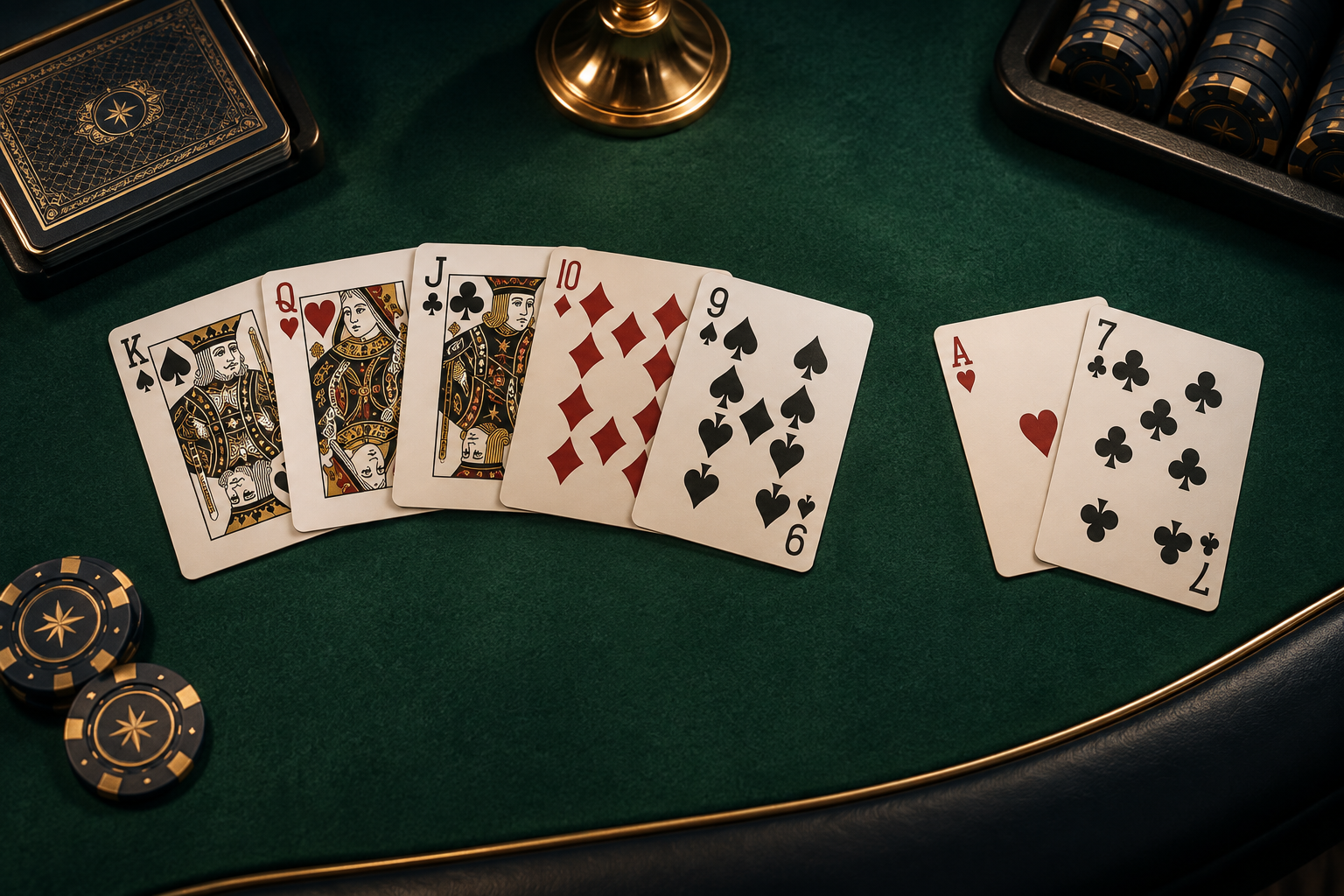
Seven cards are arranged into a five-card hand and a two-card hand for separate comparisons. The required ordering of the hands differs from simply selecting the strongest five cards out of seven.
View details ↗
Three private cards combine with two community cards to create a five-card poker hand. Revealing the community cards is paired with designated opportunities to withdraw a portion under the game rules.
View details ↗
Two private cards combine with three community cards revealed in stages. The final hand is evaluated against a combination table rather than a dealer hand, distinguishing it from many casino poker formats.
View details ↗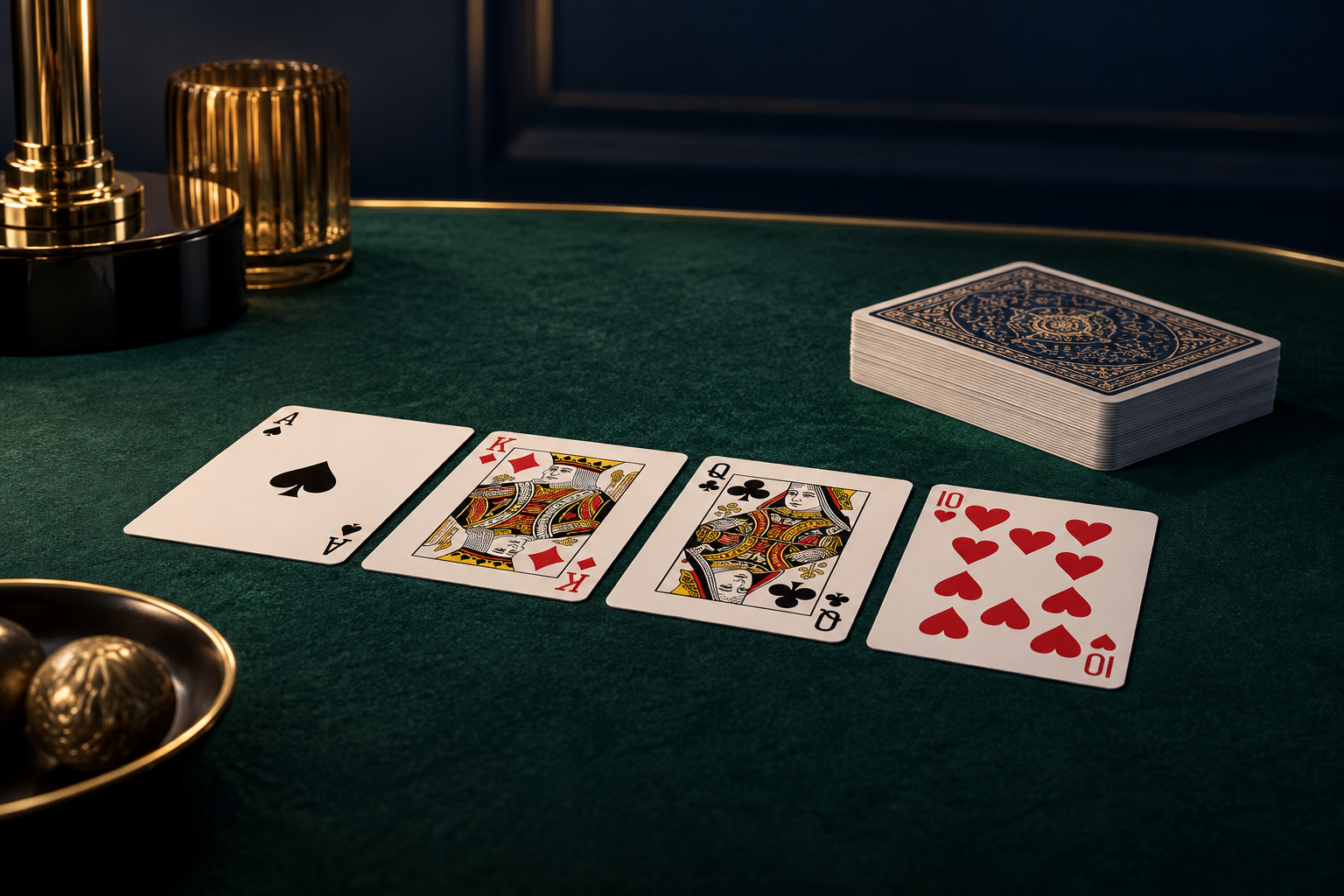
Despite the name, participants commonly receive more than four cards and select a final four-card combination. Four-card rankings must not be replaced with ordinary five-card poker rankings.
View details ↗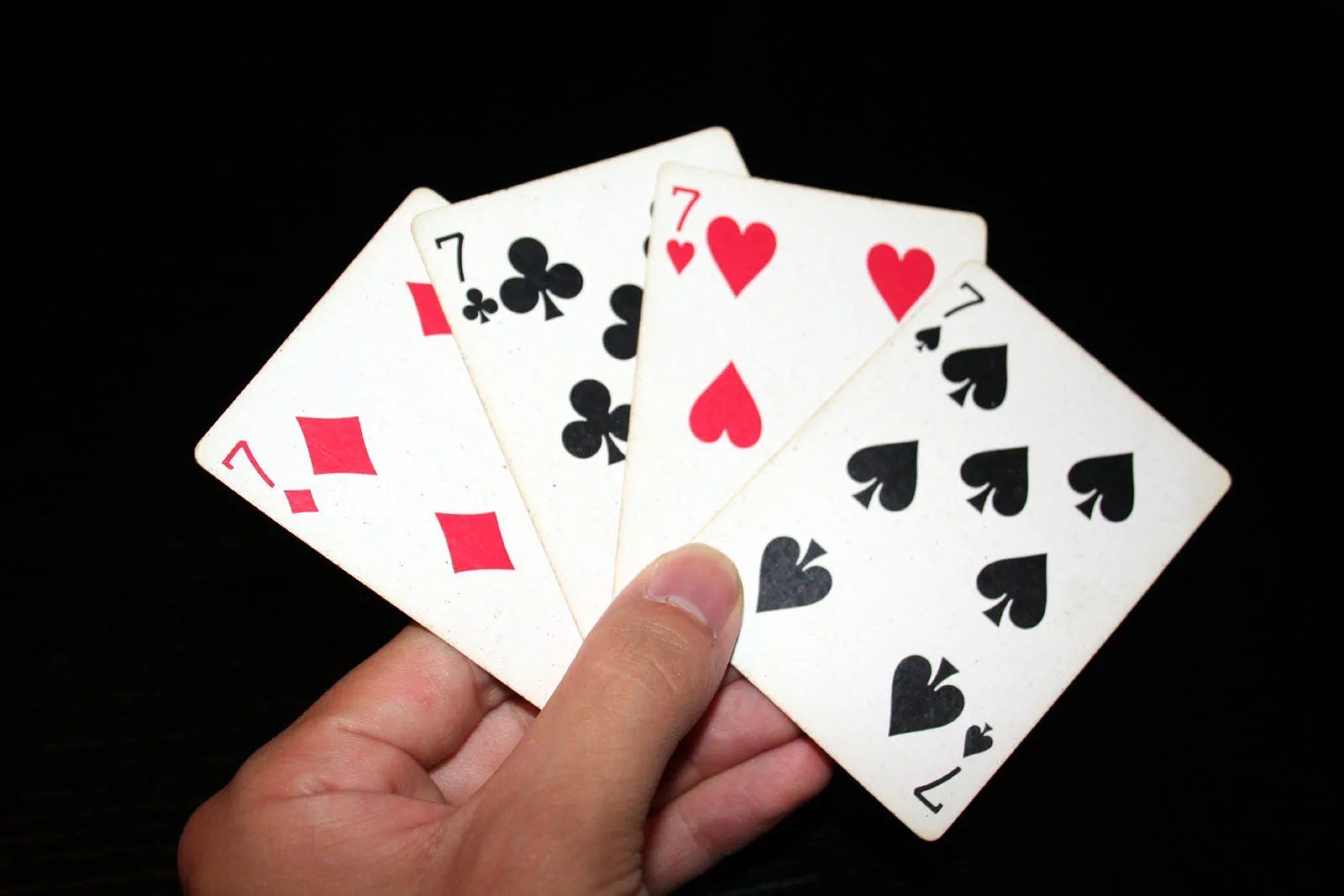
The game uses four-card hands with its own layout and qualification conditions. It should not be conflated with Four Card Poker, because the two product names describe separate rule sets.
View details ↗