

Card games use different dealing, comparison or point-counting methods. A game name does not identify every variant. Read the table rules and clarify unfamiliar terms.
Responsible information · Request for assistance, not a confirmed booking

ROYAL BAY · CASINO
Card games use different dealing, comparison or point-counting methods.
Information is awaiting verification. Ask our concierge for help with travel planning.
Card games use different dealing, comparison or point-counting methods. A game name does not identify every variant. Read the table rules and clarify unfamiliar terms.
Responsible information · Request for assistance, not a confirmed booking
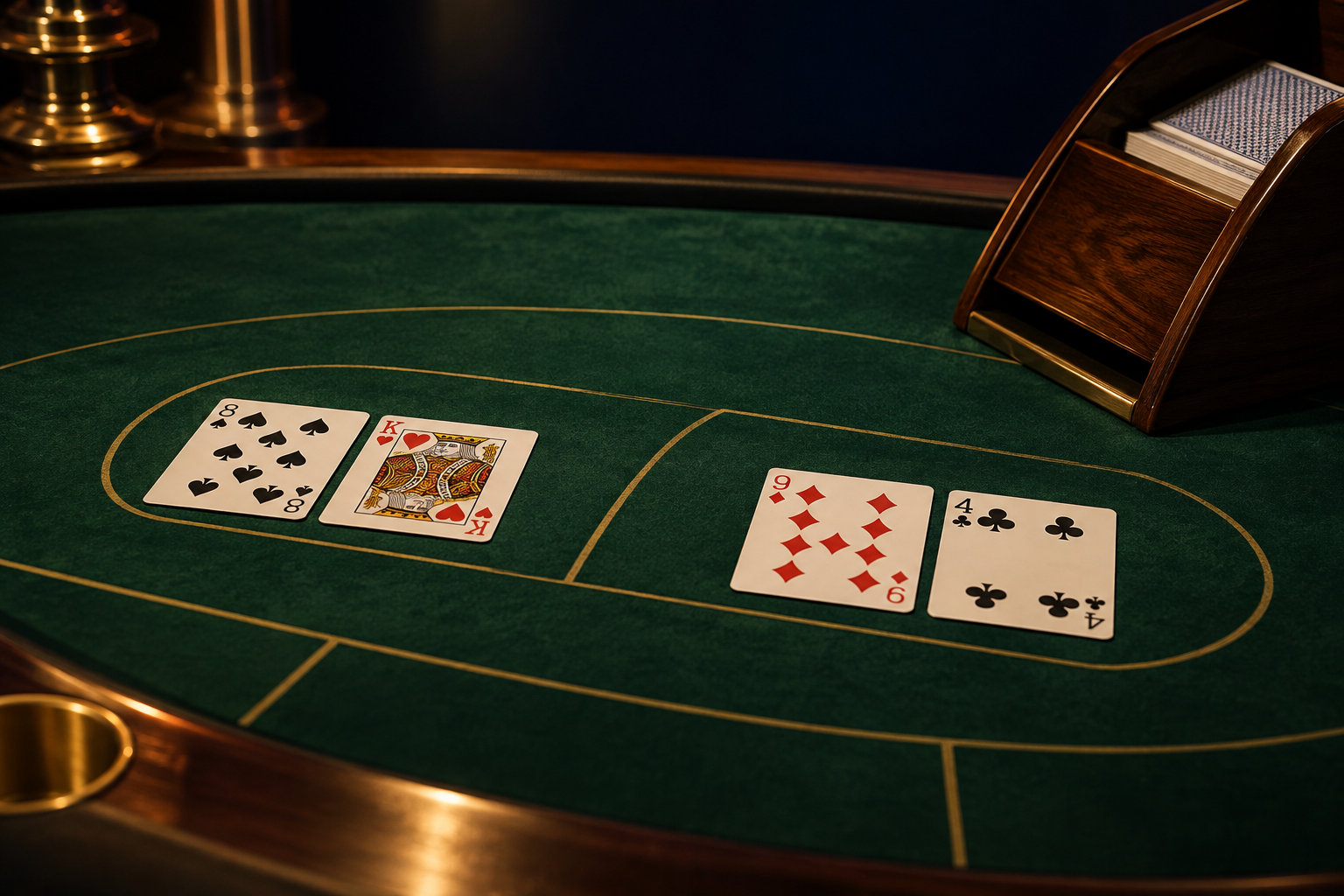
Two hands are labelled Player and Banker. These are table positions, not a requirement for a visitor to deal cards. Hand totals use the final decimal digit, with nine the comparison target.
View details ↗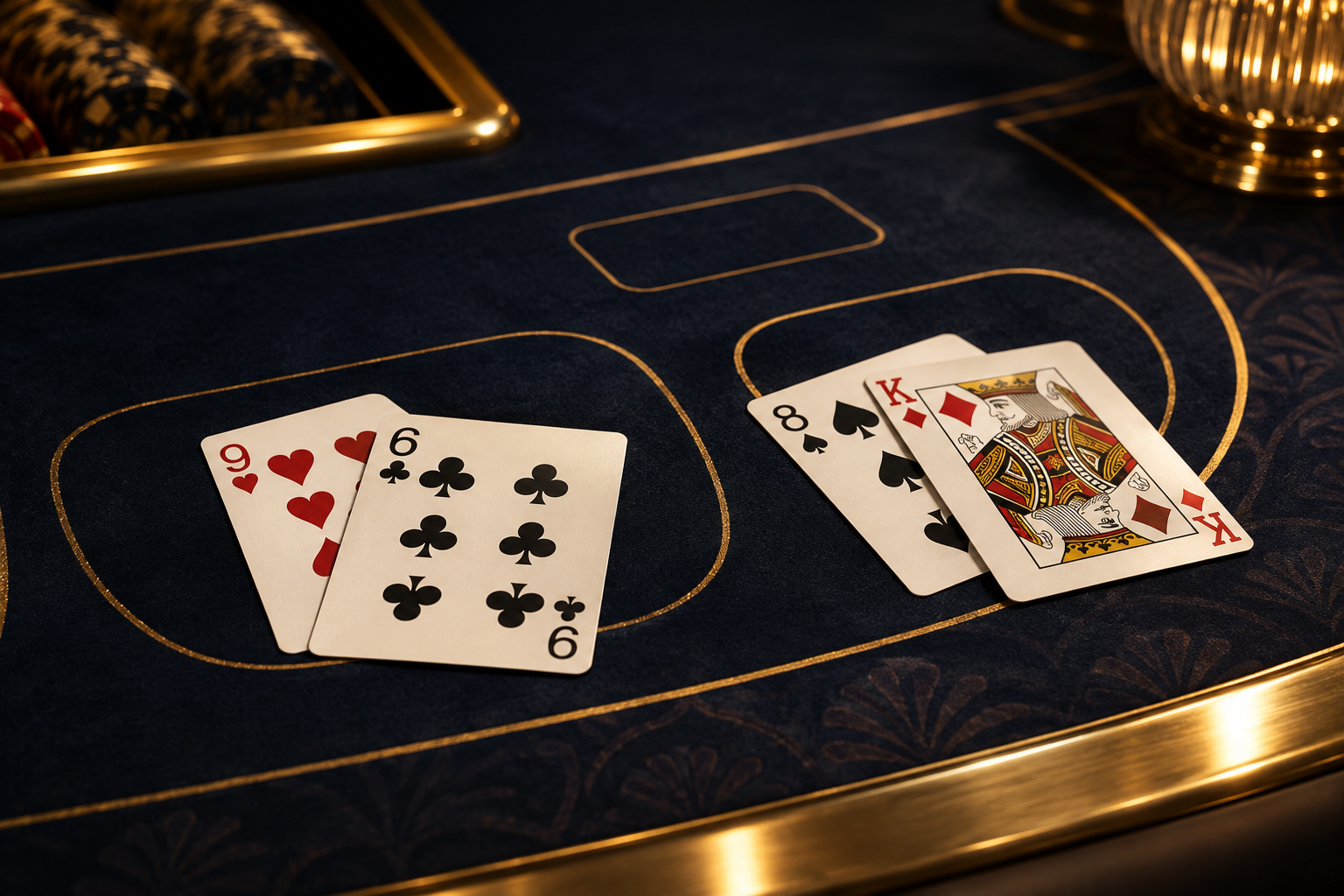
Tiger Baccarat belongs to the baccarat family. Tiger commonly denotes separately defined additional conditions; it does not mean Dragon Tiger.
View details ↗
Dragon Tiger commonly compares one Dragon card with one Tiger card. The reference catalog calls it Dragon Tiger Baccarat; that name does not imply baccarat total scoring.
View details ↗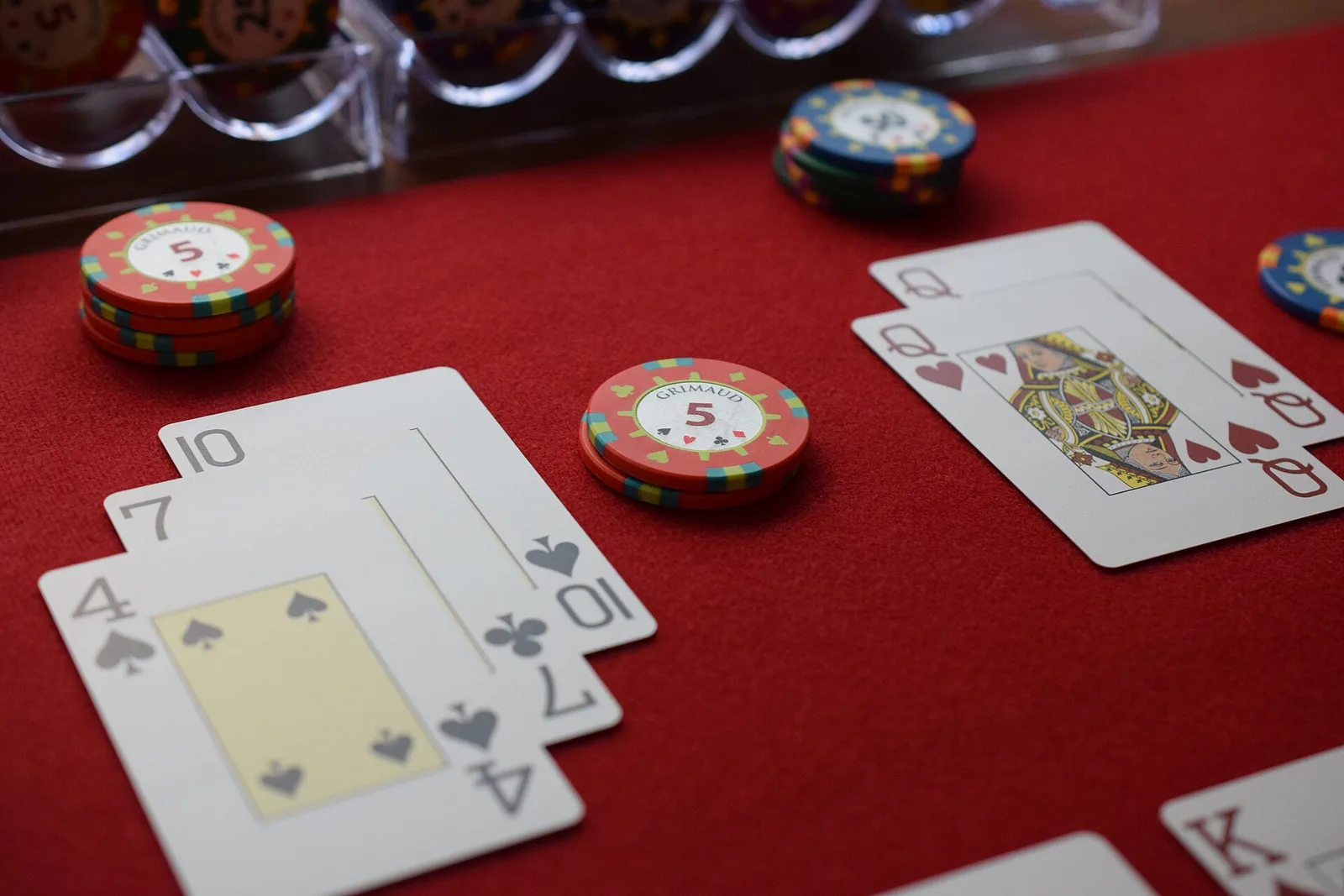
Blackjack compares totals against a dealer within a limit of twenty-one. An ace may count as one or eleven; picture cards count as ten.
View details ↗
A compact table uses a dealer to manage both hands rather than passing the shoe between participants. The service format differs from a large baccarat table while retaining the same point-counting family.
View details ↗
This baccarat format applies a commission to specified Banker outcomes. The published settlement rules must be read alongside point counting; a hand label alone does not establish the payment terms.
View details ↗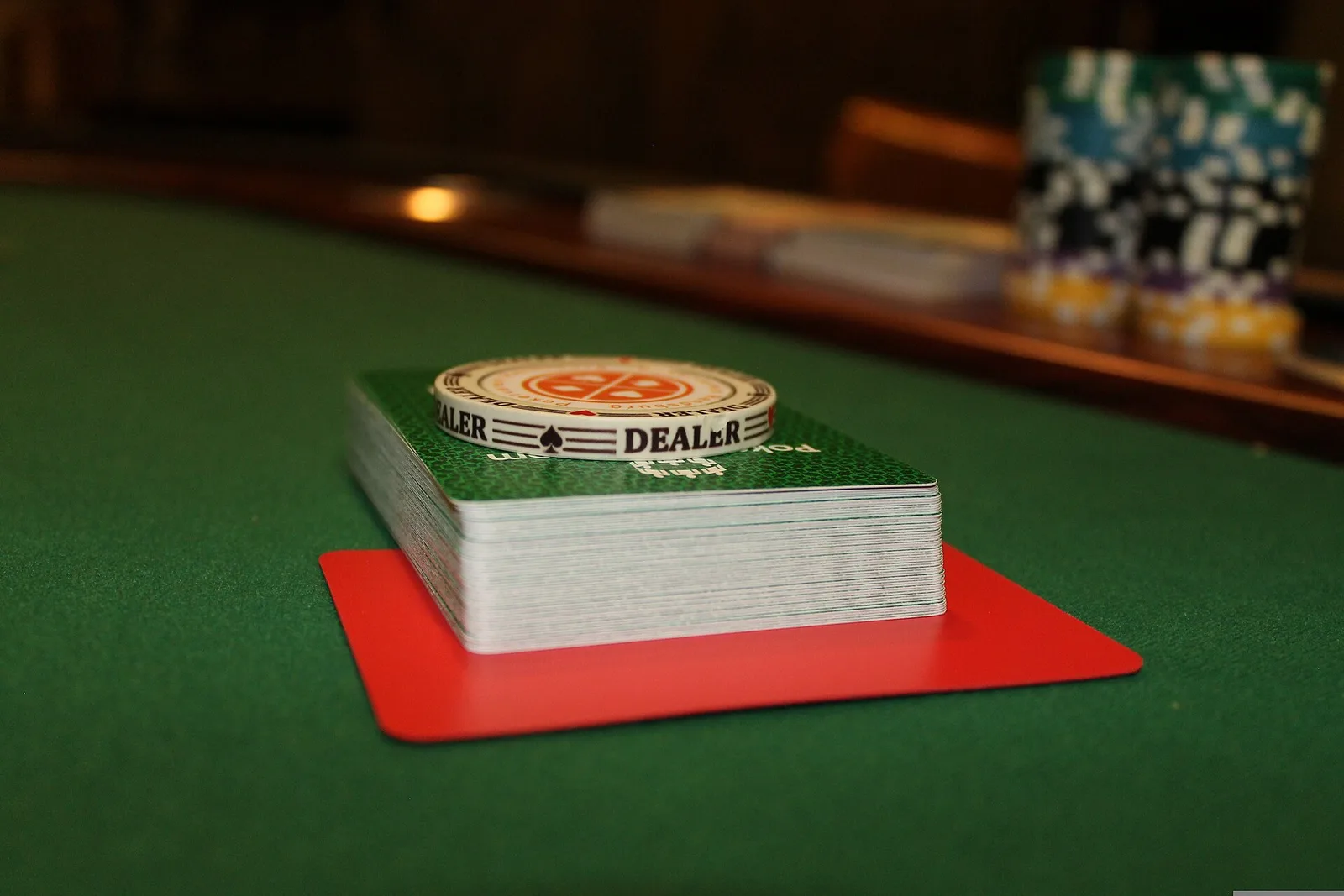
Removing a separate commission commonly introduces an exception for a particular Banker result. The settlement table therefore differs from commission baccarat even when the dealing procedure looks similar.
View details ↗
A traditional baccarat format can rotate the banking role among participants. Drawing decisions and table organisation differ from the fixed drawing procedure associated with Punto Banco.
View details ↗
Baccarat Banque places a banking hand opposite two participant sides. This arrangement distinguishes it from Chemin de Fer, so identifying the exact format is important before interpreting table instructions.
View details ↗
In a common European dealing procedure, the dealer receives a second card after participants finish acting. Splitting and doubling rules still need to be checked for the specific table.
View details ↗
American dealing commonly gives the dealer a concealed second card at the start. The checking procedure for a natural 21 and any surrender rule distinguish individual rule sets.
View details ↗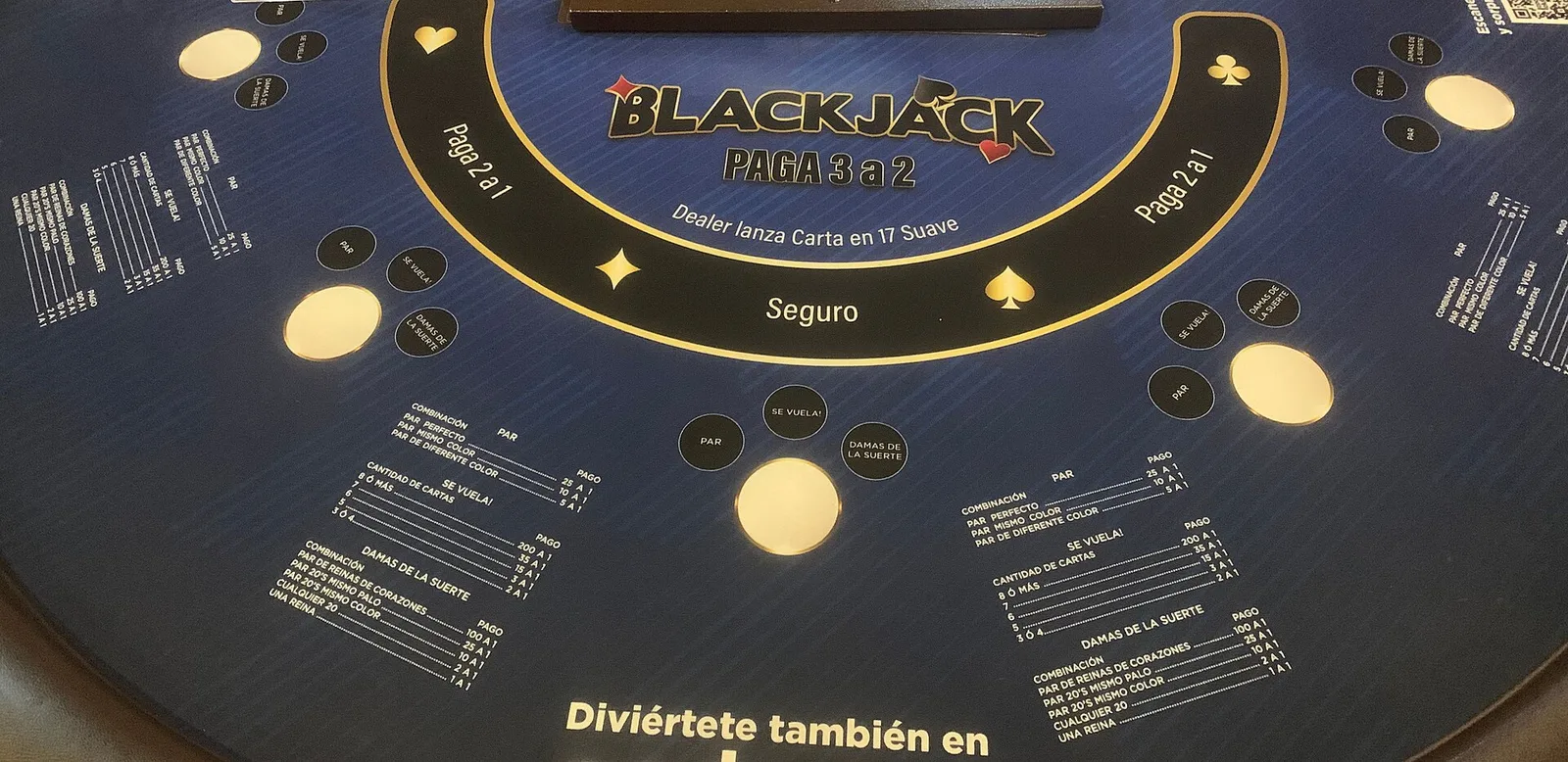
This variant removes numeral tens while retaining jacks, queens and kings. The changed deck composition is accompanied by separate rules for totals of 21 and certain special combinations.
View details ↗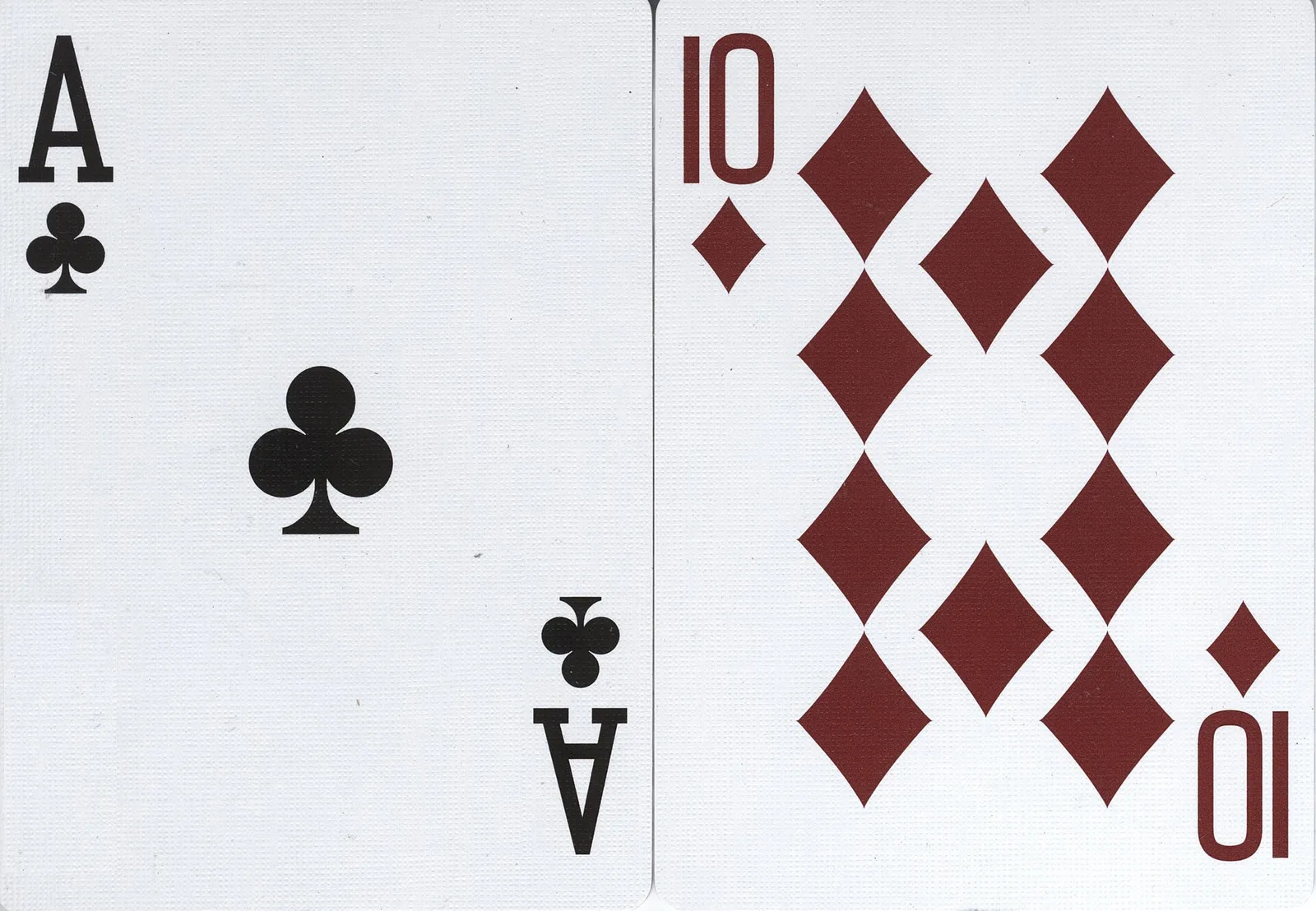
Pontoon names several members of the twenty-one family rather than one universal rule set. Terminology and treatment of five-card hands must be read against the documentation for the particular version.
View details ↗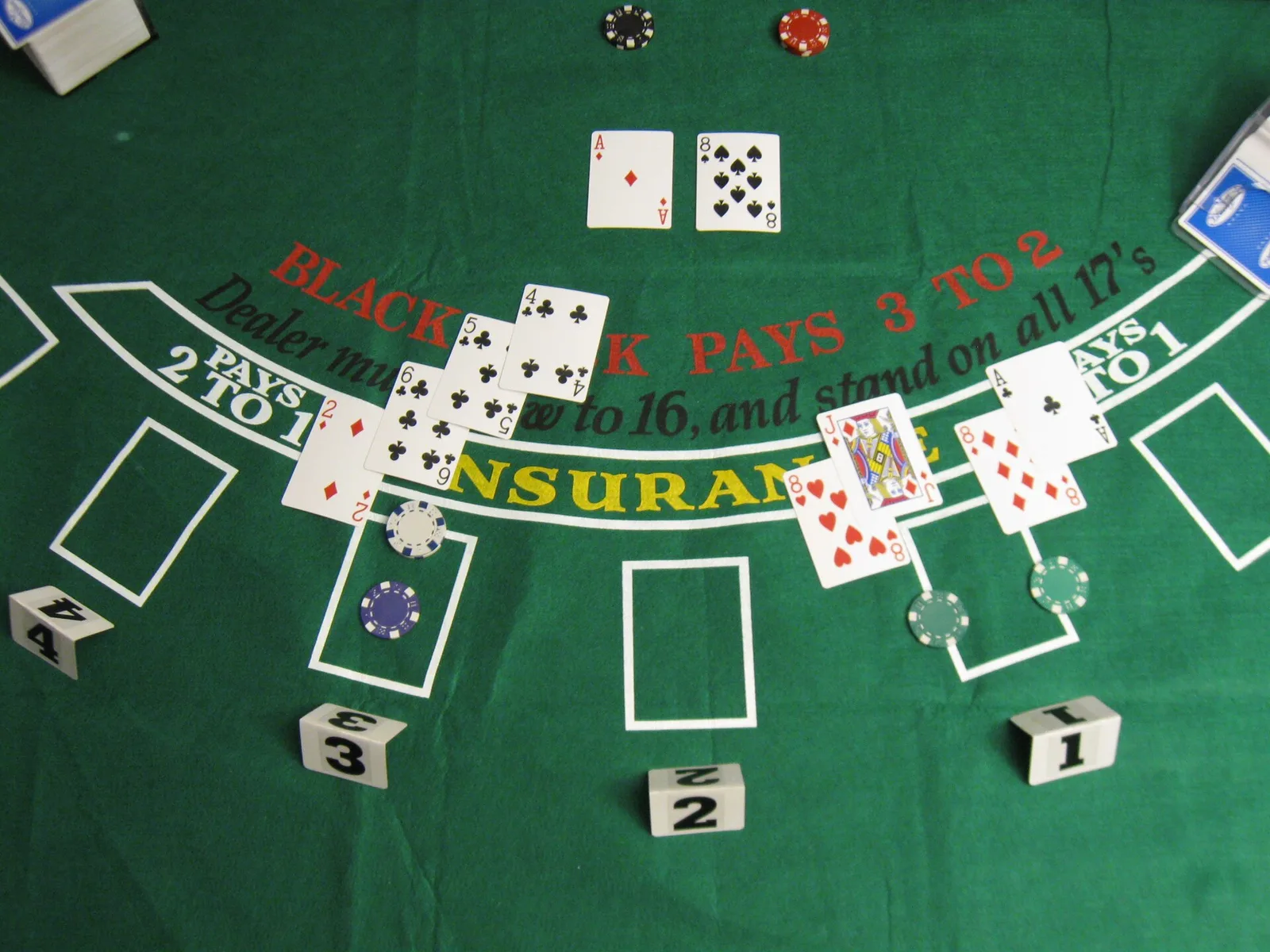
Participants manage two hands and may exchange a designated card between them under the variant rules. That exchange mechanism comes with special treatment of a dealer total of 22.
View details ↗
Both initial dealer cards are exposed. The additional information is paired with different tie and settlement rules, so the visible cards alone do not describe how the round is resolved.
View details ↗
Qualifying splits or doubles use a table marker under specific conditions. Free in the product name does not mean all participation is without cost; the dealer-22 rule is an important distinction.
View details ↗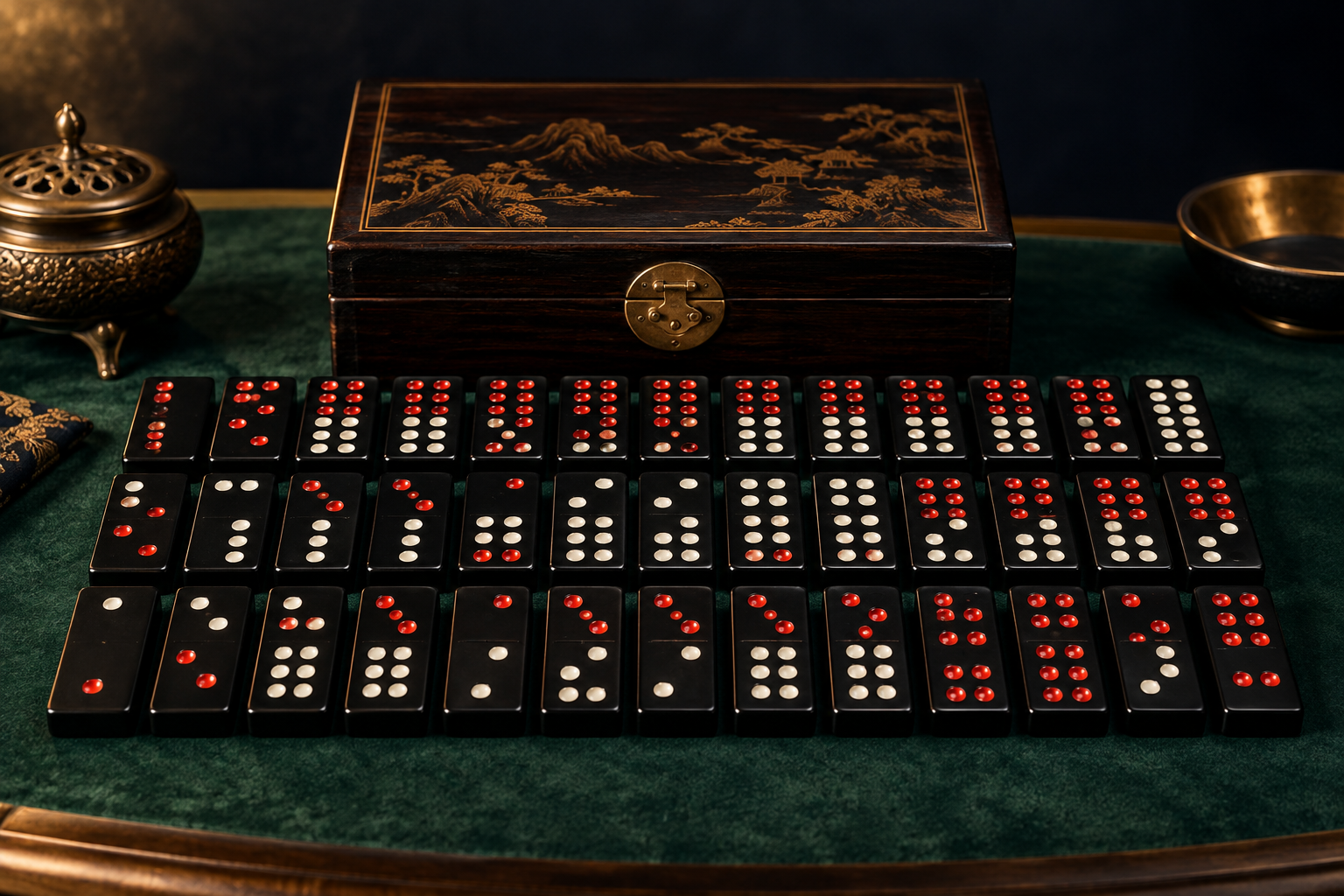
A Chinese domino set follows a traditional ranking system. Four tiles are divided into two pairs, and special pair rankings cannot be inferred merely by adding their pips.
View details ↗
An operator separates a quantity of small counters and removes groups of four to determine the remainder. This counting game is distinct from the card-layout game also called Fan Tan.
View details ↗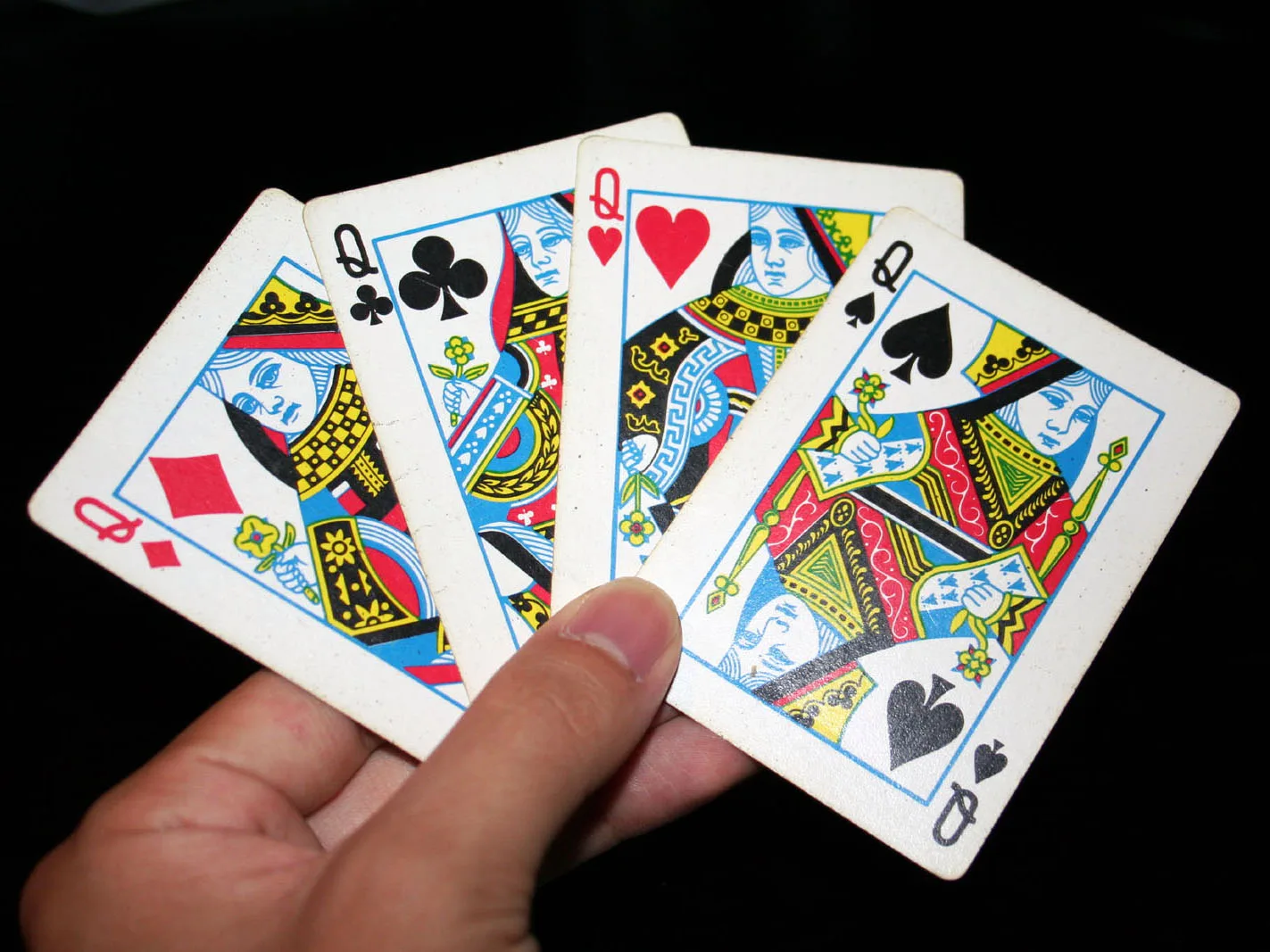
A three-card format widely associated with South Asia uses hand rankings and rounds governed by its own rules. It is not interchangeable with dealer-banked Three Card Poker.
View details ↗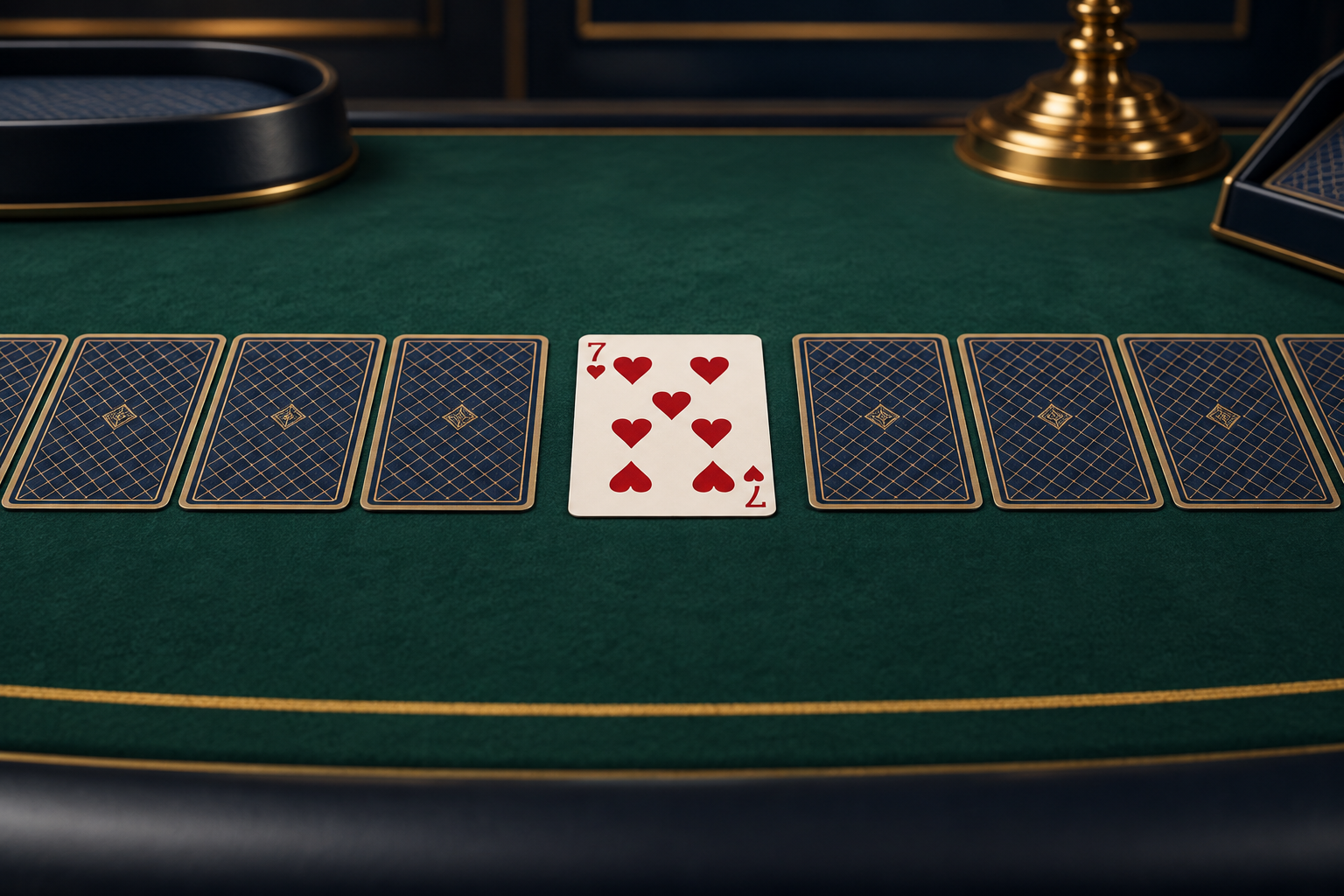
A reference card is exposed before cards are dealt alternately to two sides. The sequence stops on a matching rank; the starting side should be identified from the specific version’s rules.
View details ↗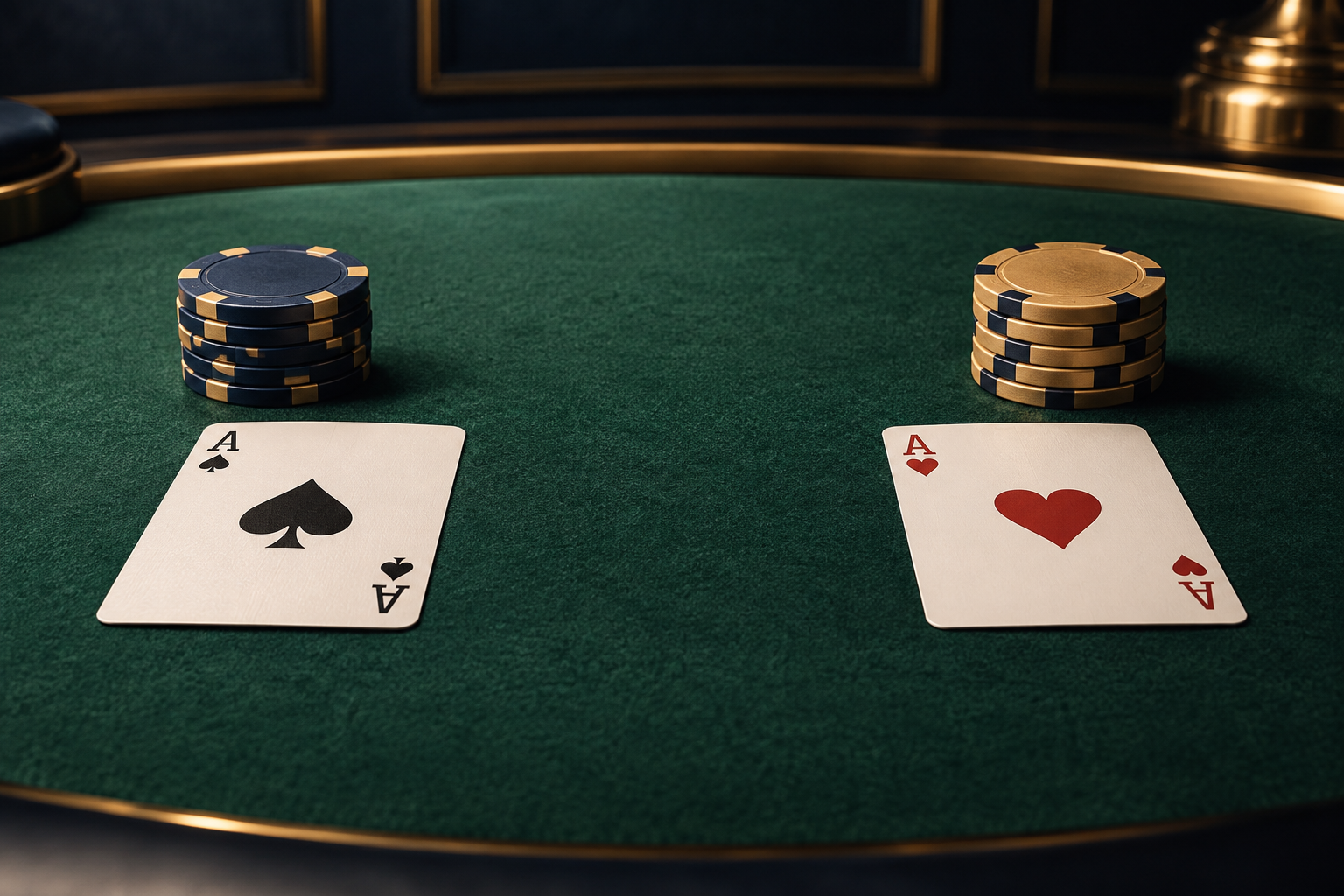
Each side receives one card and compares ranks. A tie triggers a separate continuation or ending procedure, which distinguishes the casino format from a simple home high-card comparison.
View details ↗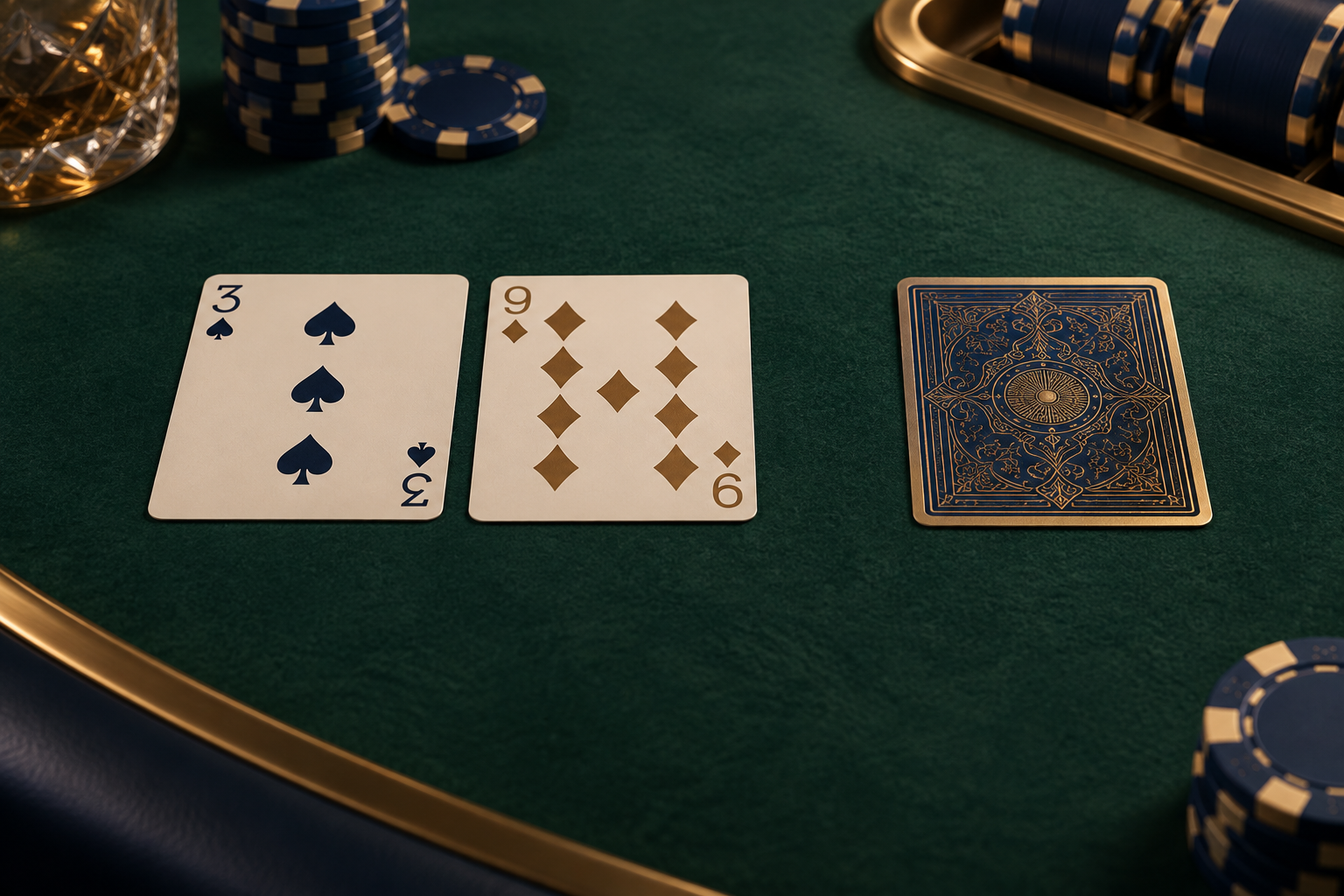
Two initial cards establish a rank interval and the next card is evaluated against that interval. Adjacent ranks and matching ranks receive separate treatment rather than always forming a standard round.
View details ↗
High–low comparison formats commonly use a reference card and a subsequent card. Ace ranking and equal-rank treatment must be identified first; this guide describes the general mechanism rather than a universal table rule.
View details ↗